Manufacturers need packaging equipment that can adapt to changing production demands without sacrificing efficiency or taking up unnecessary floor space. Whether handling different carton configurations, packing multiple product varieties into a single case, or integrating automation into an existing line, selecting the right automated case packer is essential.
Aagard designs customized case packing systems around each manufacturer's products, packaging requirements, production speeds, and available space. Understanding the differences between flexible, multi-product, and variety case packing can help manufacturers identify the right automation solution for their operation.
Understanding Flexible and Multi-Product Case Packing
Flexible case packing systems are designed to accommodate different products, package sizes, or case configurations across production runs.
For example, a food manufacturer may need to package different sizes or configurations of cereal cartons using the same automated system. Rather than investing in separate equipment for each configuration, a flexible case packer can be engineered to accommodate multiple production requirements.
Depending on the application, flexible case packing solutions may offer:
- Compatibility with multiple product or carton configurations
- Simplified changeovers between production runs
- Efficient product handling and case loading
- Reduced equipment footprint through integrated automation
- Adaptability to changing packaging requirements
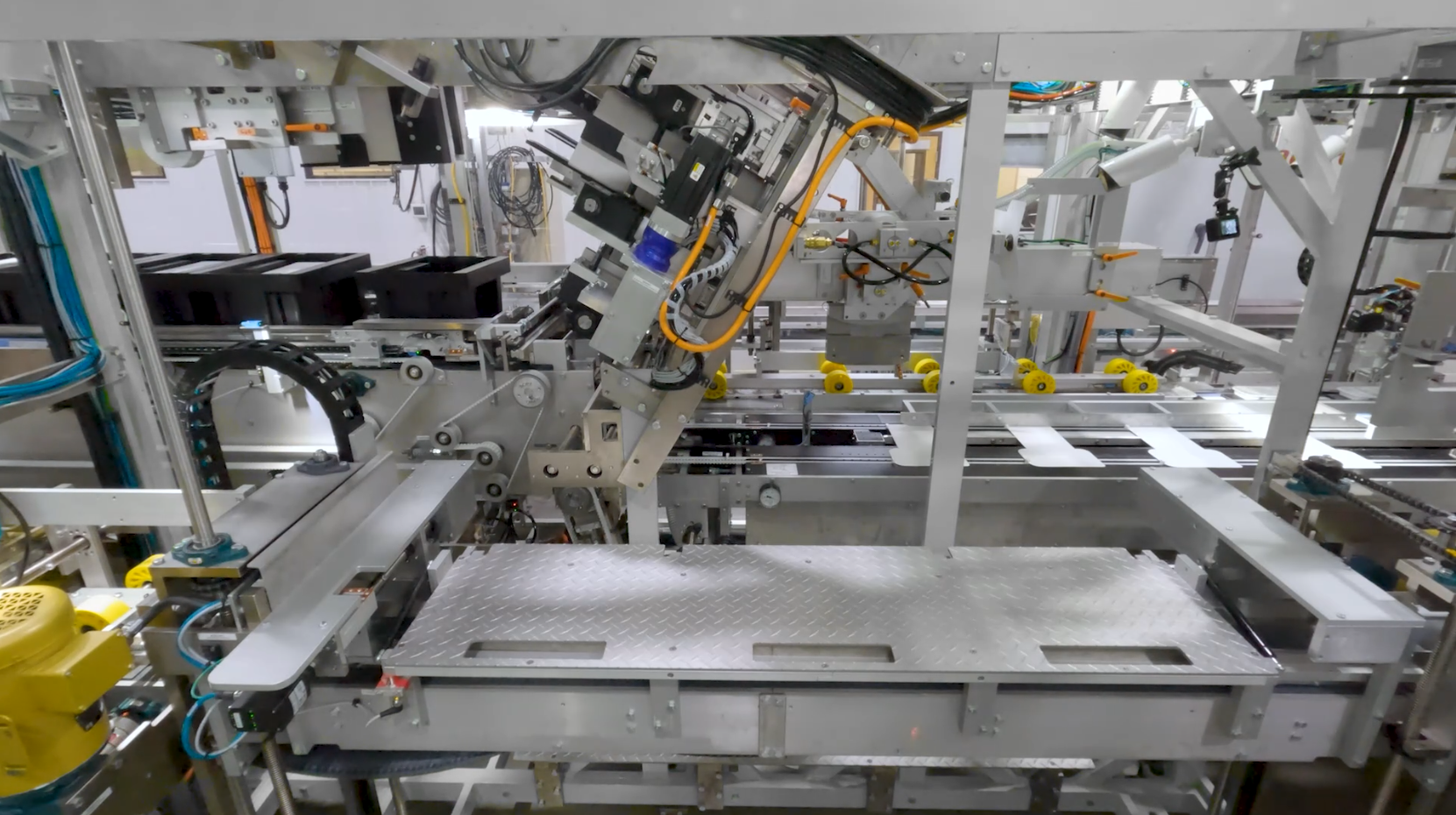
Aagard has developed flexible case packing solutions for cereal cartons, demonstrating how customized automation can accommodate different product configurations within a single system.

What Is Variety Case Packing?
While flexible case packing accommodates different products or configurations across production runs, variety case packing combines different product varieties within the same case.
For example, a pet food manufacturer may need to package multiple flavors of canned dog food into a single case. The automated case packer must accurately group, arrange, and load the different varieties according to the required case configuration.
Variety case packing can be particularly valuable for manufacturers producing assortment packs, mixed-flavor cases, or retail-ready product combinations.
Aagard has developed variety case packing solutions for canned pet food, demonstrating how automated equipment can combine different product varieties into a single finished case.

The distinction is important when evaluating packaging automation:
- Flexible or multi-product case packing: Accommodates different products, package sizes, or configurations across production runs.
- Variety case packing: Combines multiple product varieties into one finished case.
Understanding which capability is required helps manufacturers select equipment designed for their specific packaging needs.
Compact Case Packing Solutions for Specialized Applications
Not every packaging application requires high-speed equipment or the ability to handle multiple packaging formats.
Some manufacturers benefit most from compact, application-specific case packers designed to handle a particular product efficiently.
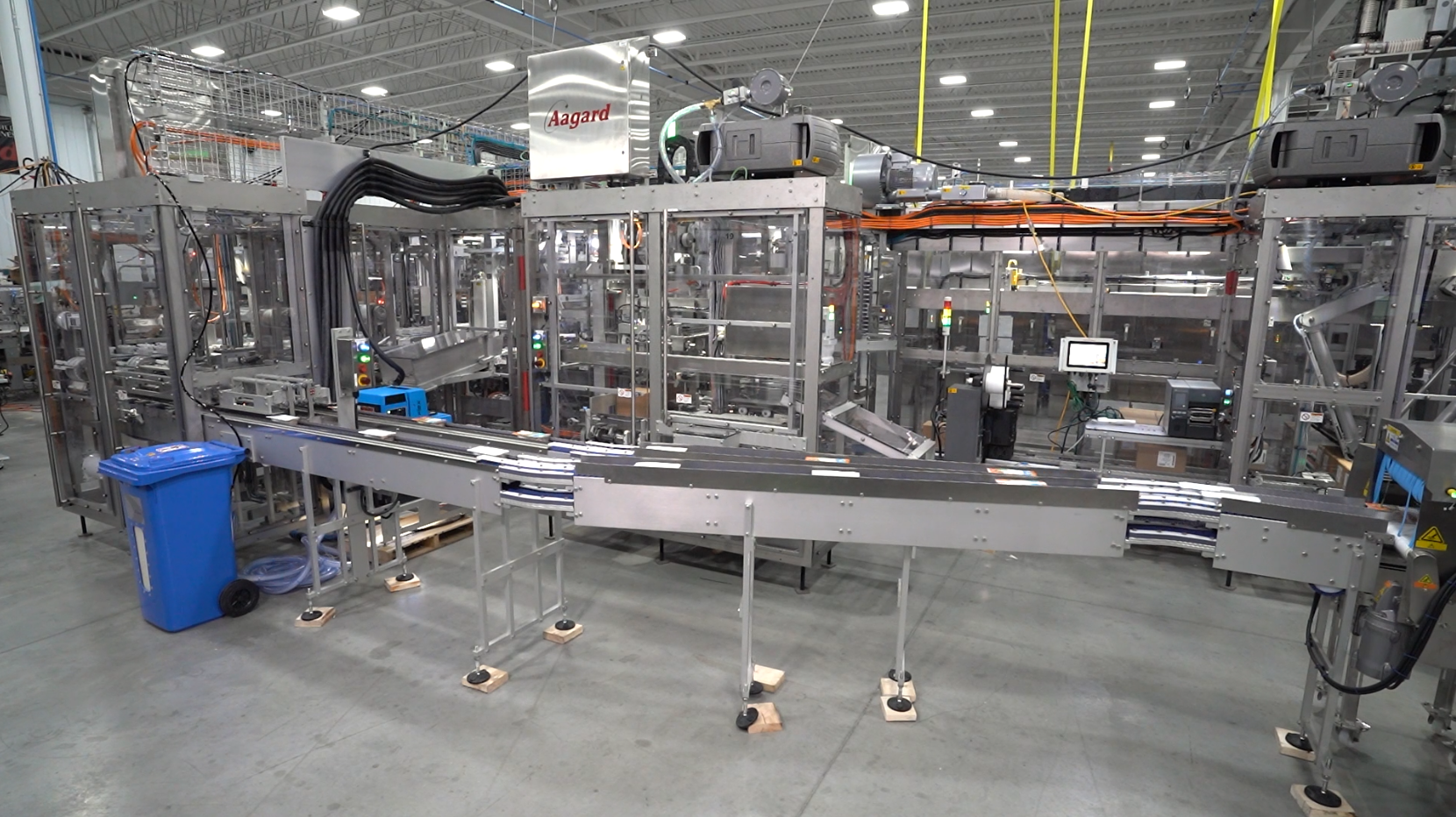
Aagard's Aspire case packer is an example of a low-speed case packing solution designed to load cartons containing plastic bags into cases.
The Aspire handles the cartons as the incoming product, rather than processing individual plastic bags and cartons as separate packaging formats.

For manufacturers with this type of application, a compact case packing solution can provide an automated alternative to manual case loading while supporting efficient use of available production space.
The right case packer depends on the products being handled, required production rates, case configurations, and available floor space.
Integrating Automated Case Packers Into Existing Production Lines
For manufacturers working with limited floor space, integrating new packaging equipment can present challenges.
Compact packaging machinery can help manufacturers introduce automation without unnecessarily expanding their production footprint.
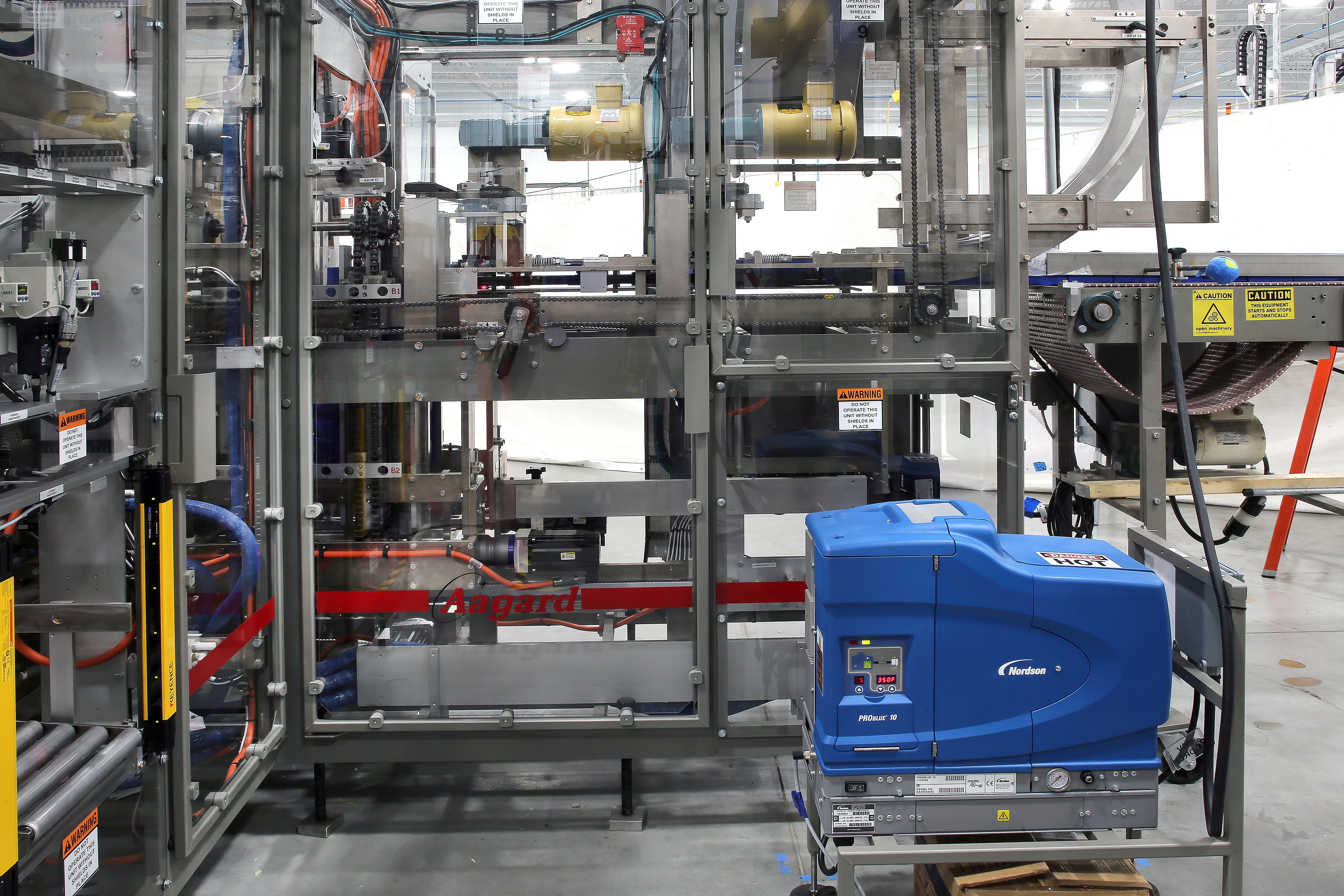
Depending on the application, an integrated case packing system may combine multiple functions, including:
- Product handling and orientation
- Product grouping and collation
- Case erecting
- Automated case loading
- Case sealing

Combining compatible operations within a coordinated system can reduce unnecessary product transfers and simplify integration with upstream and downstream equipment.
However, equipment footprint is only one consideration. Manufacturers should also evaluate operator access, maintenance requirements, product flow, and future production needs when selecting an automated case packer.
Evaluating Throughput and Changeover Requirements
Production speed and changeover requirements play an important role in case packer machine selection.
A manufacturer running one consistent product configuration may have different automation needs than a facility frequently switching between products or case sizes.
Before selecting equipment, manufacturers should consider:
Production throughput: Determine the required products per minute and finished cases per minute for each application.
Product characteristics: Evaluate the dimensions, weight, orientation, and handling requirements of incoming products.
Case configurations: Identify the required case sizes, pack counts, and loading patterns.
Changeover frequency: Consider how often the line switches between products, carton sizes, or case configurations.
Available floor space: Evaluate how the equipment will fit within the existing production environment.
For high-speed applications, the system must be engineered to achieve the required throughput. For lower-speed applications, a compact, purpose-built case packer may provide a more appropriate solution.
Matching equipment capabilities to actual production requirements helps manufacturers avoid unnecessary complexity while supporting reliable packaging operations.
Choosing the Right Automated Case Packer
Selecting the right automated case packer starts with understanding the specific needs of the production line.
Manufacturers should identify whether their operation requires a dedicated case packing solution, a flexible system capable of handling different configurations, or a variety case packer that combines multiple products into one case.
Working with an experienced packaging automation partner can help determine which approach best supports current production requirements and future operational goals.
Aagard develops customized packaging automation solutions designed around the products, case configurations, throughput requirements, and facility layouts of each application.
Find the Right Case Packing Solution with Aagard
Every packaging operation has unique requirements. Whether you need a compact case packer for a specialized application, a flexible system for multiple product configurations, or a variety case packing solution, Aagard can help evaluate the right approach.
Contact Aagard to discuss your products, packaging requirements, and automation goals.
Frequently Asked Questions
-
What are the benefits of automated case packing?
Automated case packing can help manufacturers reduce manual labor, improve packaging consistency, and streamline production. By automating product handling and case loading, manufacturers can improve efficiency while supporting reliable packaging operations.
-
How do I know if automated case packing is worth the investment?
Evaluating the return on investment (ROI) of automated case packing involves looking at labor costs, production efficiency, downtime, and long-term operational goals. Automation can help reduce manual handling, improve packaging consistency, and increase productivity. Manufacturers should also consider future production demands and how automation could support continued growth.
-
What should I consider before automating my case packing process?
Before investing in automated case packing, manufacturers should evaluate production speeds, product types, case configurations, available floor space, and existing equipment. Understanding current bottlenecks and future packaging requirements can help determine the right solution. It's also important to consider operator accessibility, maintenance needs, and changeover frequency to ensure the equipment fits the overall production process.
-
Can one case packer handle multiple products and packaging formats?
Yes. Flexible case packing systems can be engineered to accommodate different products, package sizes, and case configurations within a single system. Depending on the application, this flexibility can help manufacturers reduce the need for separate equipment and simplify changeovers. Identifying current and future packaging requirements early in the design process helps ensure the system meets production needs.
-
Can automated case packers integrate with my existing equipment?
Yes. Automated case packers can be designed to integrate with existing production lines, including upstream and downstream equipment. Successful integration involves evaluating product flow, conveyor configurations, production speeds, and available floor space. A well-designed system helps maintain consistent throughput, minimize unnecessary product transfers, and prevent additional production bottlenecks.
-
Should I choose a standard or custom case packing system?
The right choice depends on your products, production requirements, and long-term goals. Standard case packers may be suitable for consistent products and packaging configurations, while custom automation provides greater flexibility for unique products, multiple SKUs, and complex integration needs. Working with an experienced automation partner like Aagard can help identify a solution that balances efficiency, flexibility, and future production demands.