Manufacturers today face a different packaging landscape than they did just a few years ago. Product portfolios continue to grow, retailers are asking for more package variations, and labor shortages remain a challenge. At the same time, production schedules leave little room for downtime or inefficient changeovers.
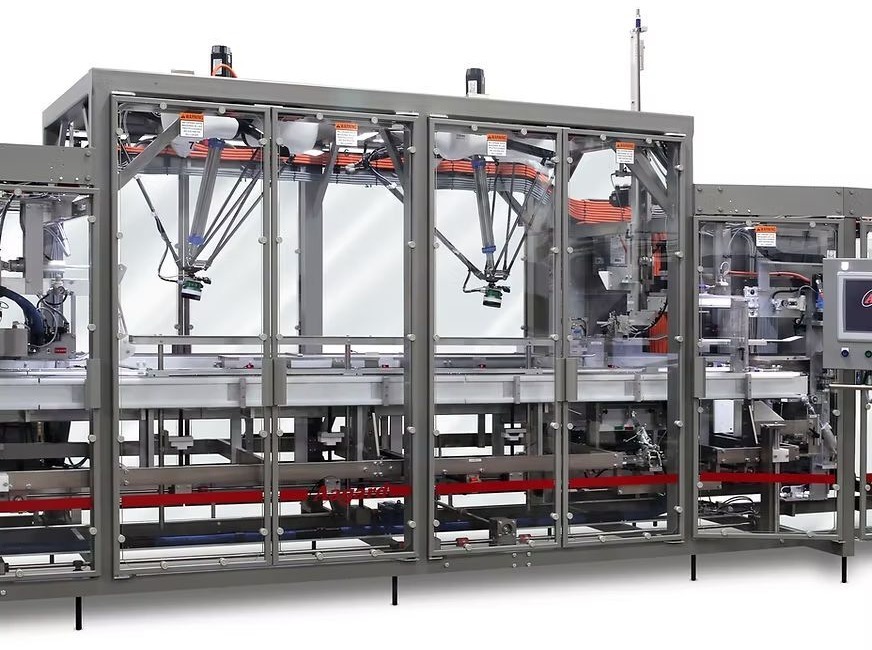
To stay competitive, many manufacturers are looking beyond single-purpose equipment and investing in combination packaging systems that can handle multiple package formats on one integrated line.
But how do you know which system is right for your operation?
Whether you're replacing aging equipment or planning for future growth, here are five key factors to evaluate before making your investment.

1. Start with Your Packaging Requirements
Before comparing machine specifications, take a close look at what your operation needs to accomplish.
Consider:
- Current and projected SKU counts
- Package sizes and configurations
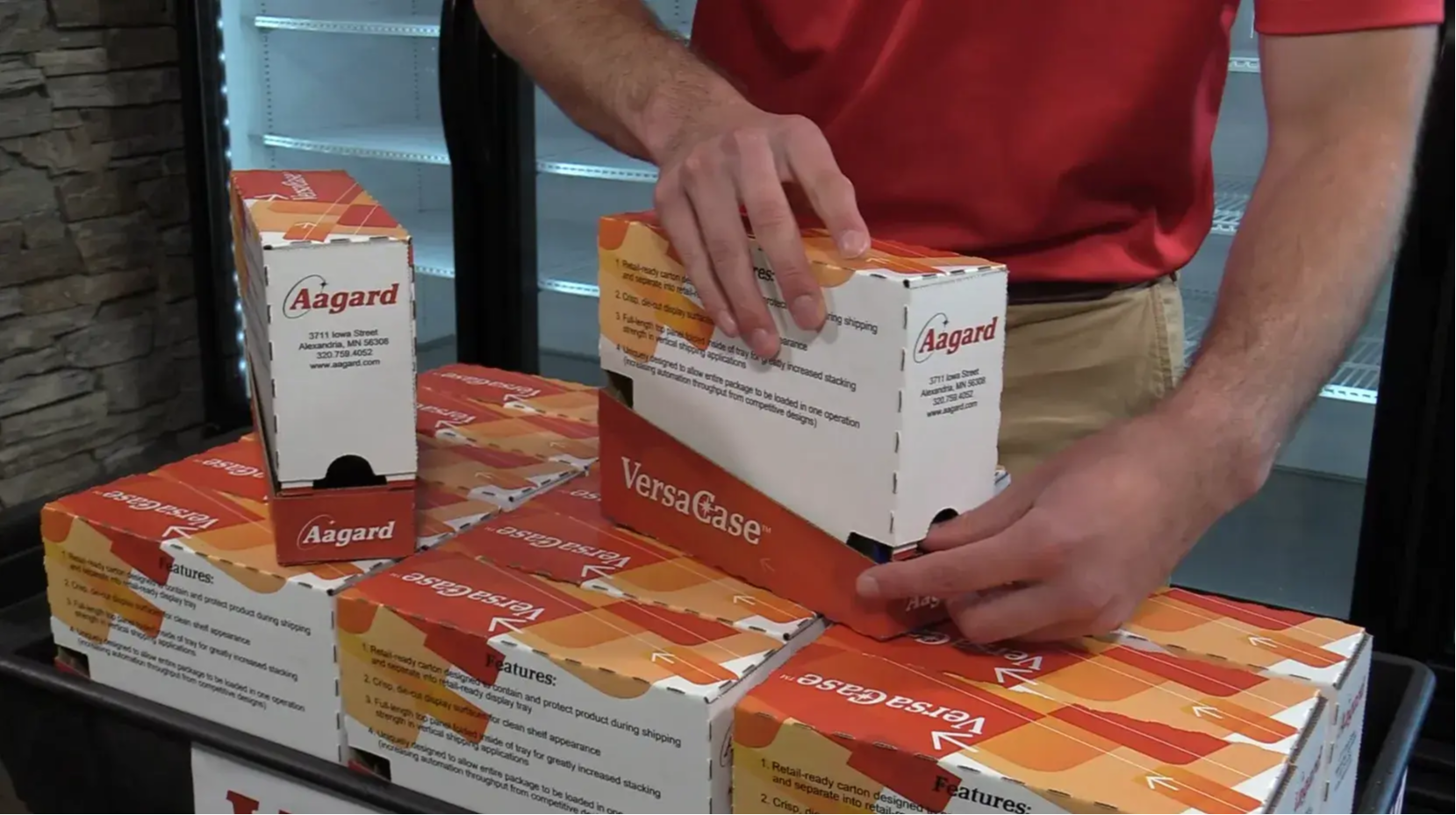
- Retail-ready displays
- Variety packs
- Multipacks
- Club store packaging
- Seasonal or promotional packaging
The best combination packaging system should accommodate today's production requirements while giving you the flexibility to adapt as your business evolves.
2. Evaluate Changeover Efficiency
For manufacturers producing multiple products, changeovers can significantly impact production.
Every minute spent making adjustments is time your line isn't producing.
Look for equipment that simplifies changeovers through features such as:
- Tool-less adjustments
- Digital recipe management
- Guided operator instructions
- Repeatable machine settings
- Intuitive operator interfaces
Reducing changeover time helps maximize uptime and allows your team to respond quickly to changing production schedules.
3. Think Beyond Today's Production
Your next packaging system should support where your business is headed—not just where it is today.
Ask yourself:
- Will we introduce additional SKUs?
- Are new package formats likely?
- Could customer demands change?
- Will sustainability initiatives require different materials?
- Are production volumes expected to increase?
Investing in equipment that can adapt over time helps extend the life of your automation investment.
4. Consider the Entire Packaging Line
A combination packaging system doesn't operate in isolation.
The greatest efficiencies come when every piece of equipment works together seamlessly.
Evaluate how the system integrates with:
- Product handling
- Cartoners
- Sleevers
- Case packers
- Robotics
- Vision systems
- Palletizers
- Conveying systems
A fully integrated line improves throughput, simplifies troubleshooting, and reduces production interruptions.
5. Look Beyond the Purchase Price
Price is important—but it shouldn't be the only consideration.
Instead, evaluate the total value the system delivers over its lifetime.
Consider factors like:
- Overall Equipment Effectiveness (OEE)
- Maintenance requirements
- Ease of training operators
- Parts availability
- Technical support
- Energy efficiency
- Long-term reliability
A system that keeps production running efficiently for years often provides a much greater return than one selected based solely on initial cost.
Flexibility Drives Long-Term Success
Manufacturing demands continue to evolve.
Consumers expect more choices.
Retailers request unique packaging formats.
SKU counts continue to increase.
That's why flexibility has become one of the most important characteristics of modern packaging automation.
At Aagard, we've never believed manufacturers should have to fit a standard machine.
Every Aagard system is designed around the way you operate, helping you package multiple products and formats while simplifying changeovers, improving efficiency, and supporting future growth.
Ready to Evaluate Your Packaging Line?
Whether you're adding capacity, replacing aging equipment, or planning for future growth, choosing the right combination packaging system starts with understanding your operation.
Our engineering team works alongside manufacturers to evaluate products, packaging requirements, production goals, and long-term plans to recommend the solution that best fits their application.
Frequently Asked Questions
-
Can one machine handle multiple package formats?
Yes. Modern combination packaging systems are designed to run a variety of package styles, sizes, and configurations on a single line. Depending on the application, one system can package retail-ready displays, variety packs, multipacks, and traditional shipping cases while minimizing changeover time. The key is designing the system around your products, production goals, and future packaging needs.
-
How do I future-proof a packaging line?
Future-proofing starts with selecting equipment that offers flexibility. Look for systems that can accommodate new SKUs, changing package formats, increased production volumes, and evolving packaging materials without requiring a complete line replacement. A scalable, adaptable system helps protect your investment as your business grows.
-
What packaging equipment is best for frequent changeovers?
Operations with frequent product changes benefit from equipment designed for fast, repeatable changeovers. Features like tool-less adjustments, digital recipe management, intuitive operator interfaces, and guided setup instructions help reduce downtime and improve production efficiency.
-
How can I package different product sizes on one machine?
Combination packaging systems can be engineered to handle multiple product sizes through adjustable tooling, programmable machine recipes, and flexible product handling. This allows manufacturers to switch between products more efficiently while maintaining consistent package quality and throughput.
-
What questions should I ask before buying packaging equipment?
Before investing in packaging automation, ask:
- Can the system handle our current and future package formats?
- How long do changeovers take?
- Will it integrate with our existing production line?
- Can it grow as our business grows?
- What level of service and support is provided after installation?
Answering these questions helps ensure you're selecting equipment that delivers long-term value—not just immediate production capacity.