The answer is high-mix packaging automation.
As product variety continues to grow, manufacturers are being asked to do more with the same production space, labor force, and equipment. Variety packs, retail-specific packaging, e-commerce assortments, and frequent product launches have created a level of complexity that traditional packaging lines weren't designed to handle.
High-mix automation allows manufacturers to run multiple SKUs, package formats, and product configurations on a single flexible system. By combining intelligent product handling, automated verification, dynamic buffering, and faster changeovers, manufacturers can increase flexibility without sacrificing throughput or accuracy.
For companies looking to keep pace with changing consumer demands while maximizing efficiency, high-mix automation has become an essential part of the modern packaging operation.
Why High-Mix Packaging Is Growing
Today's packaging operations must support:
- Variety and multi-product packs
- Shorter production runs
- Retail-specific packaging
- E-commerce and subscription kits
- Frequent product launches
Manual processes and dedicated production lines simply aren't built for this level of variation.
What Makes High-Mix Automation Different?
Unlike traditional packaging systems designed for long production runs, high-mix automation is built to manage constant change.
Modern systems can:
- Handle multiple SKUs simultaneously
- Automatically buffer products to keep lines moving
- Verify product combinations with vision systems and barcode scanning
- Complete faster recipe-driven changeovers
- Run multiple package formats on one machine
The result is greater flexibility without sacrificing throughput or accuracy.
How Aagard Designs for High-Mix Production
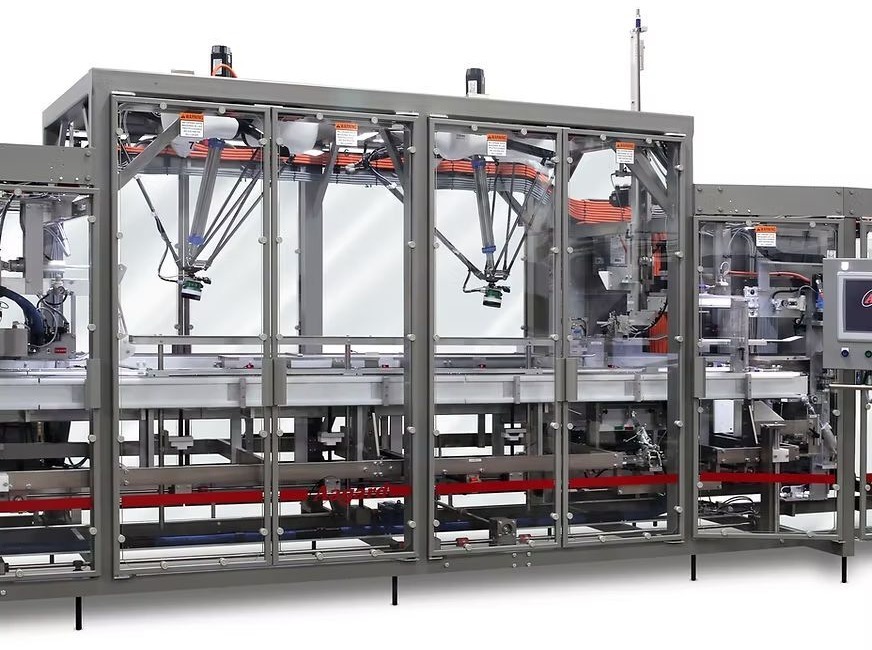
Aagard's purpose-built systems are designed specifically for manufacturers producing multiple products and package formats.
Capabilities include:
- Multiple independent infeeds
- Intelligent product mapping
- Dynamic buffering
- Automated verification
- Recipe-driven operation
- Flexible product collation
Instead of operating several dedicated lines, manufacturers can consolidate production into one adaptable system.

The Benefits
High-mix automation helps manufacturers:
- Reduce labor dependency
- Increase throughput
- Minimize changeover time
- Improve packaging accuracy
- Maximize floor space
- Prepare for future SKU growth
Rather than slowing production, packaging flexibility becomes a competitive advantage.
Conclusion
Product variety isn't slowing down. The manufacturers that succeed will be those that can adapt quickly without increasing labor or adding more production lines.
High-mix automation transforms packaging complexity into operational flexibility—allowing manufacturers to launch products faster, run more package configurations, and scale confidently as demand changes.
FAQ
-
What is flexible packaging automation?
Flexible packaging automation is exactly what it sounds like, automation that's built to adapt. Instead of limiting your production to one product or package style, flexible systems can handle multiple SKUs, package formats, and changing production schedules with minimal downtime. At Aagard, we believe automation should work for your business today while giving you the flexibility to grow tomorrow.
-
How do I automate multiple SKUs?
The key to automating multiple SKUs is flexibility. Instead of dedicating one machine to one product, a high-mix packaging system is designed to handle a wide variety of products and package configurations on the same line. At Aagard, we engineer systems with intelligent product handling, buffering, and recipe-driven controls that make it easy to switch between SKUs while keeping production moving. That means less downtime, fewer manual adjustments, and the flexibility to keep up with changing customer demands.
-
Can one machine handle multiple package formats?
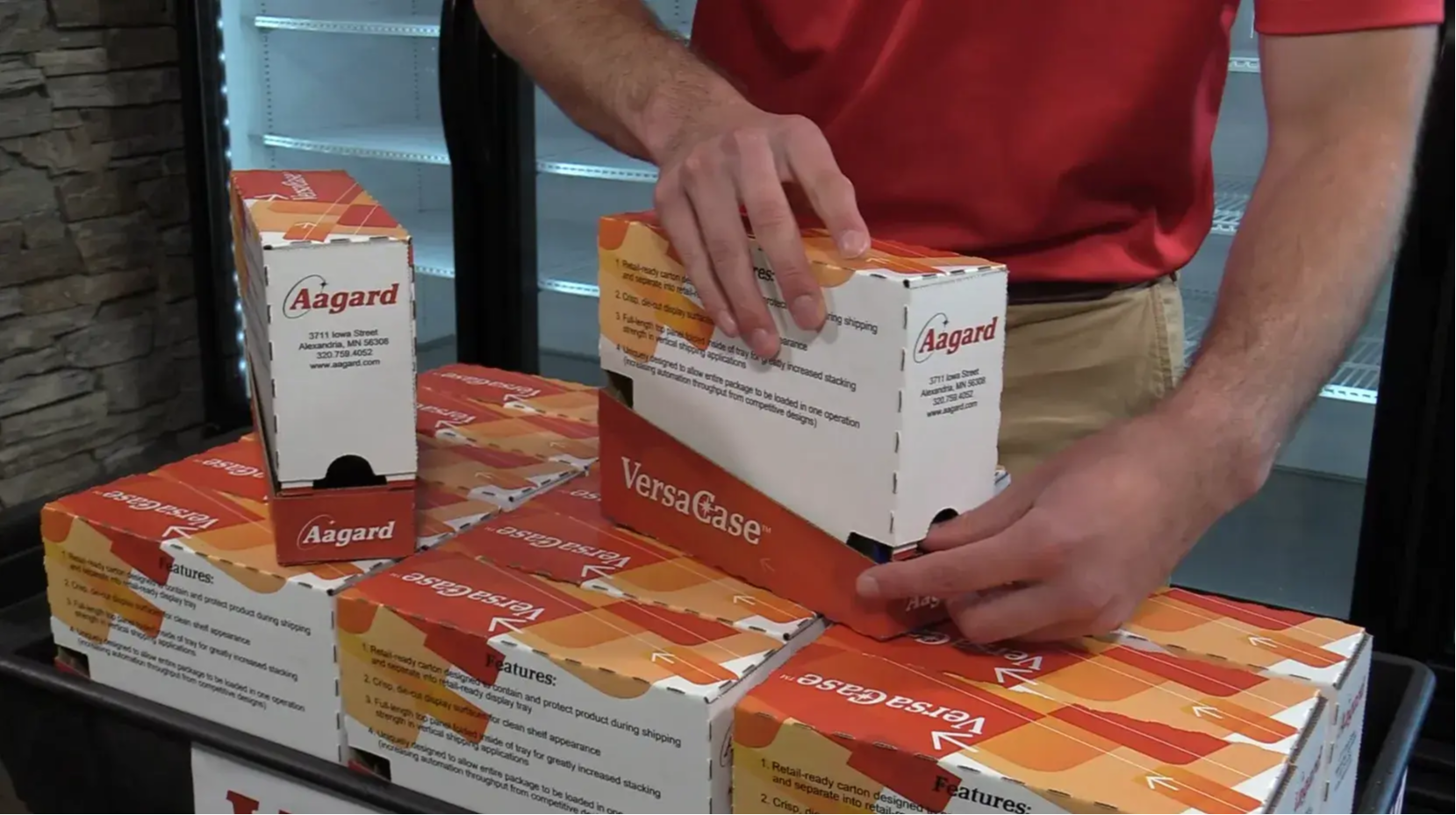
Absolutely. Today's packaging operations need to be able to run everything from cartons and trays to variety packs and retail-ready displays—all without sacrificing efficiency. Aagard's purpose-built systems are designed to handle multiple package formats on a single machine, allowing manufacturers to maximize equipment utilization, reduce floor space, and eliminate the need for separate production lines.
-
What packaging equipment is best for frequent changeovers?
If your operation requires frequent product or package changes, look for equipment built with changeovers in mind. Features like recipe-driven controls, servo adjustments, and quick-change tooling dramatically reduce setup time. At Aagard, we design our systems to make changeovers as seamless as possible, helping manufacturers spend less time adjusting equipment and more time producing quality products.
-
How do I future-proof a packaging line?
Future-proofing your packaging line starts with choosing equipment that can evolve with your business. Consumer preferences, retailer requirements, and product offerings are constantly changing, so your automation should be able to change with them. Aagard's modular, purpose-built systems are designed to accommodate new products, package formats, and production goals, helping manufacturers protect their investment for years to come.