Yes. Modern packaging systems are helping manufacturers support sustainability goals while maintaining efficiency, throughput, and product quality.
Sustainability has shifted from a long-term initiative to a business expectation.
Brands, retailers, and regulators are pushing manufacturers to reduce waste, improve recyclability, and support environmental claims with measurable results. At the same time, new packaging materials often introduce challenges that traditional equipment wasn't designed to handle.
As a result, sustainability is changing not only what packaging looks like, but also how it's produced.
Why Sustainability Is Reshaping Packaging Operations
Sustainable Materials Create New Challenges
Many sustainable packaging materials behave differently than traditional options.
Examples include:
- Recycled corrugate
- Paper-based carriers
- Compostable films
- Molded fiber packaging
These materials often require different handling, sealing, and compression methods to maintain performance and product quality.
Less Material Requires More Precision
Reducing packaging material is a common sustainability goal, but lighter materials leave less room for error.
Processes such as:
- Forming
- Product loading
- Sealing
- Case handling
Together, these processes must operate with greater precision to prevent waste, product damage, and packaging defects.
Sustainability Includes the Equipment
Manufacturers are also evaluating how efficiently machinery operates over its lifespan.
Key considerations include:
- Energy consumption
- Compressed air usage
- Equipment longevity
- Upgradeability
- Waste reduction
Sustainability now extends beyond the package itself to the systems producing it.
How Packaging Equipment Is Evolving
Designed for Sustainable Materials
Modern packaging systems are increasingly engineered around material variability.
Advancements include:
- Alternative sealing methods
- Gentler product handling
- Adaptive compression
- Servo-driven adjustments

The goal is to support sustainable materials without sacrificing production performance.
Vision Systems Reduce Waste
Vision systems help verify:
- Material placement
- Seal quality
- Label accuracy
- Product configuration
By catching issues early, manufacturers can reduce scrap, rework, and unnecessary material waste.

Integrated Systems Improve Efficiency
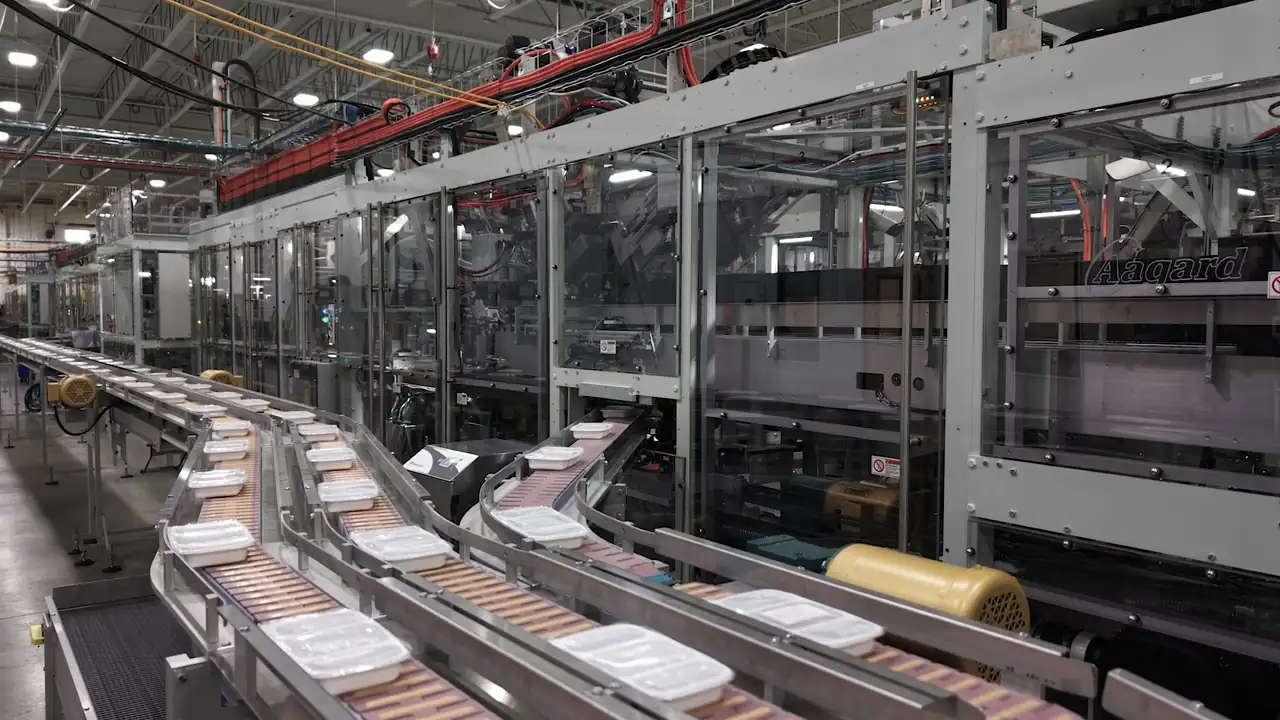
Integrated packaging systems reduce transfer points between machines, helping minimize product disruption, alignment issues, and material waste while improving overall efficiency.
How Aagard Supports Sustainable Packaging
Engineering Around the Material
Aagard designs systems around the specific characteristics of each packaging material rather than forcing sustainable materials into traditional machine designs.
This includes optimizing:
- Handling
- Compression
- Sealing
- Product flow
- Verification
Integrated Systems That Reduce Waste
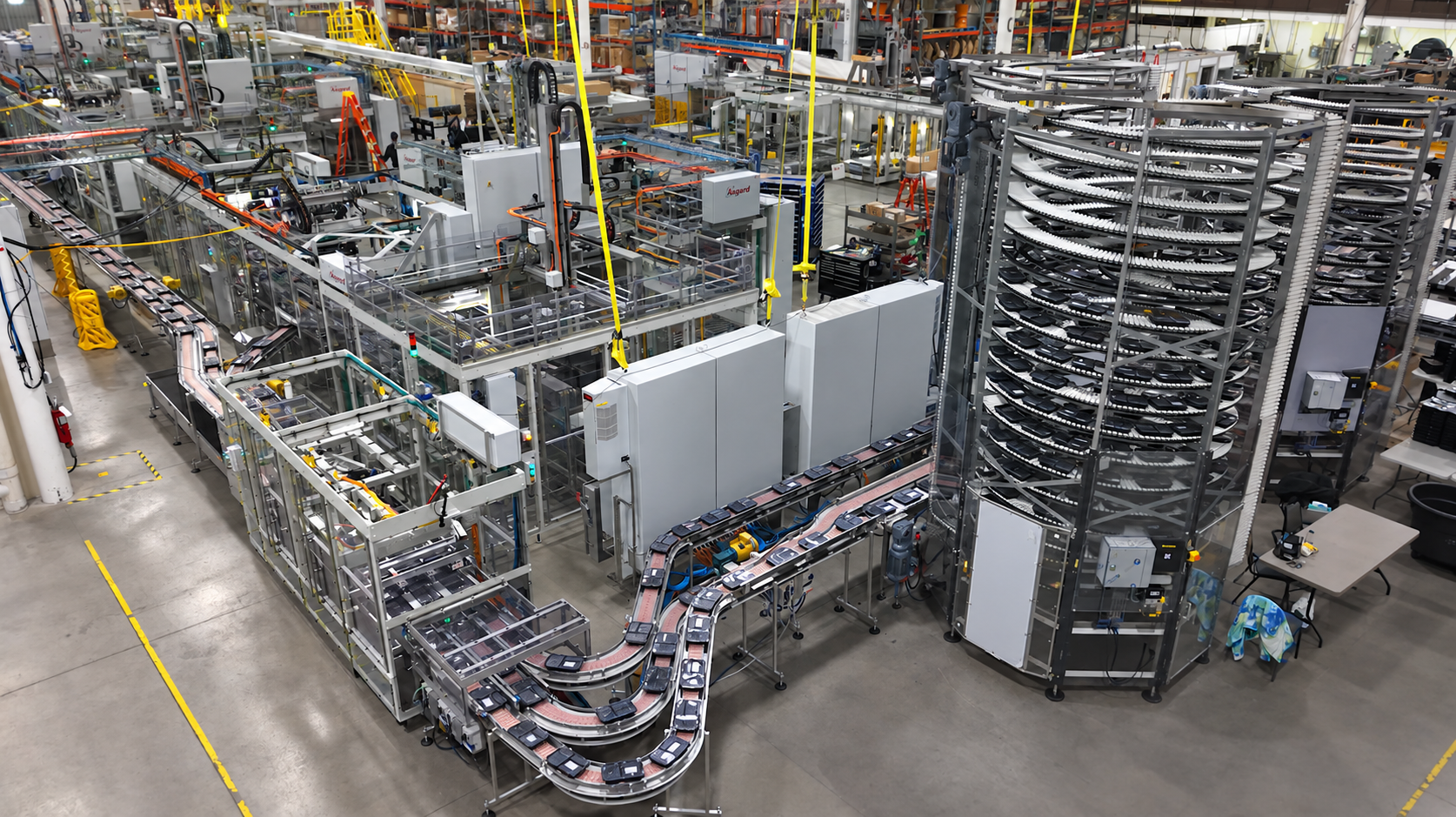
Aagard's integrated packaging systems combine multiple functions into a coordinated platform, helping manufacturers reduce waste while improving operational efficiency.
Built for Long-Term Sustainability
Aagard incorporates sustainability-focused design principles such as:
- Electric servo actuation
- Energy-efficient components
- Durable machine designs
- Modular upgrades
- Retrofit capabilities
These features help extend equipment life while reducing operational waste.
Real-World Results
When one manufacturer transitioned from plastic packaging to a paper-based carrier system, Aagard developed an integrated packaging line that supported the new material throughout the process while maintaining production performance.
Sustainability Is Becoming a Competitive Advantage
Sustainability now influences everything from retailer relationships and regulatory compliance to operational costs and brand perception.
Manufacturers that can successfully run sustainable packaging formats without sacrificing efficiency will be better positioned as expectations continue to evolve.
The future of packaging will require both sustainable materials and machinery designed to support them.
Frequently Asked Questions
-
How does automation reduce packaging waste?
Automation improves consistency throughout the packaging process, helping reduce material waste caused by misalignment, improper sealing, product damage, and rework. Integrated systems and vision technology also help identify issues before they become costly waste.
-
Can automation improve sustainability?
Yes. Automation supports sustainability by reducing material waste, improving production efficiency, lowering energy consumption, and helping manufacturers run sustainable packaging formats more effectively.
-
How can packaging equipment reduce material usage?
Modern packaging systems use precise forming, loading, and sealing processes that allow manufacturers to use lighter materials and right-sized packaging while maintaining product protection and package quality.
-
How do vision systems reduce waste?
Vision systems verify package quality, seal integrity, labeling accuracy, and product placement in real time. By identifying defects early, manufacturers can reduce scrap, rework, and unnecessary material consumption.
-
What is sustainable secondary packaging?
Sustainable secondary packaging focuses on reducing environmental impact through material reduction, improved recyclability, efficient packaging designs, and production processes that minimize waste while maintaining packaging performance.