Yes. Robotics, collaborative robots (cobots), Autonomous Mobile Robots (AMRs), and Automated Guided Vehicles (AGVs) are helping manufacturers improve throughput, reduce repetitive labor, automate product movement, and create safer, more efficient packaging operations.
Robots are no longer a glimpse into the future. They're becoming a standard part of modern packaging lines.
As manufacturers face labor shortages, rising production demands, and increasing safety expectations, robotics and collaborative robots (cobots) are helping teams automate repetitive tasks while improving consistency and efficiency.
Rather than replacing people, today's robotic systems support operators where they create the greatest value.

Why Robotics Are Growing in Secondary Packaging
Taking on Repetitive Work
Robotics are ideal for physically demanding tasks such as:
- Heavy case handling
- Product placement
- Repetitive palletizing
- Continuous operation across multiple shifts
The result is reduced fatigue, improved safety, and more consistent production.
Cobots Make Automation More Accessible
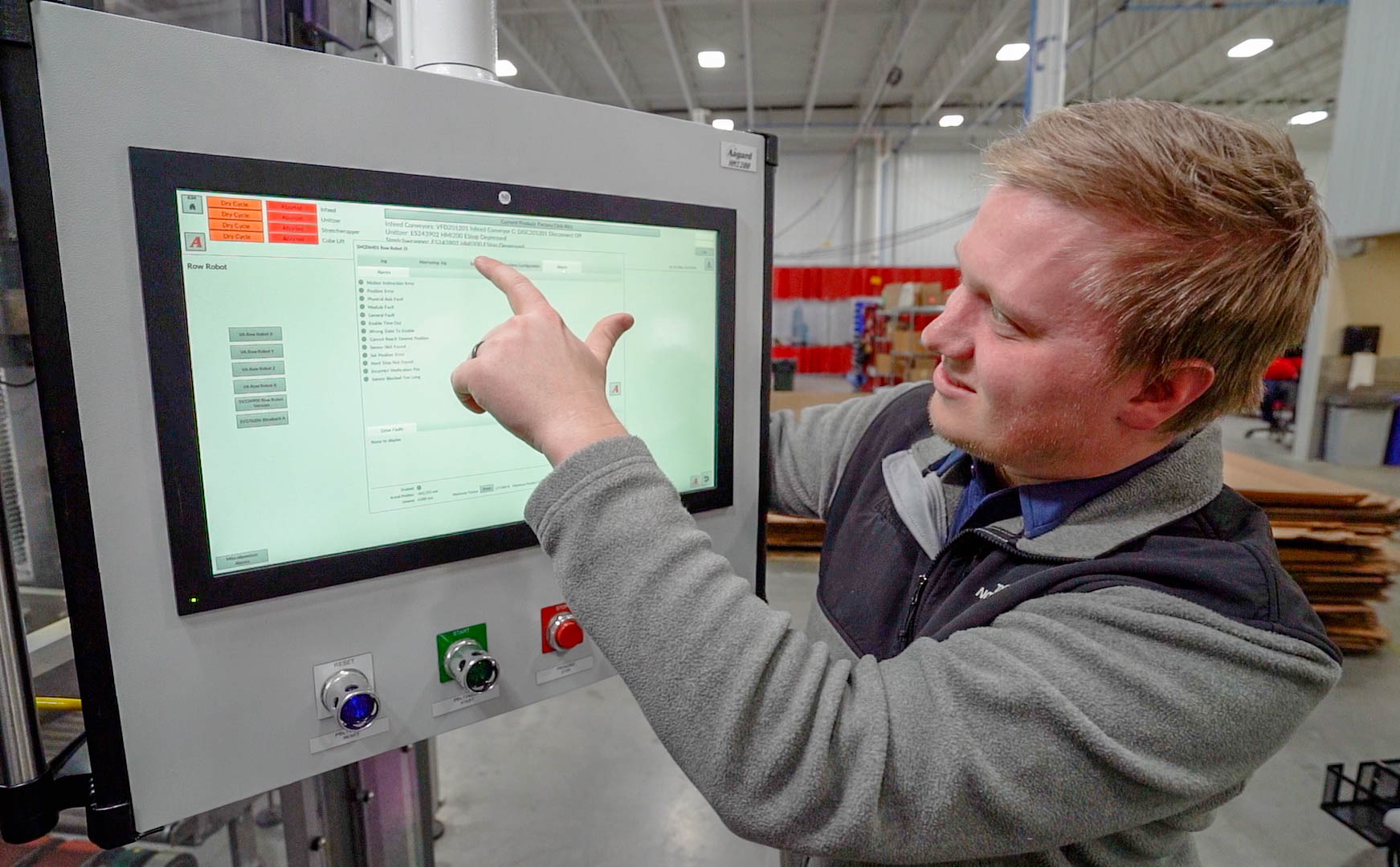
Collaborative robots are designed to work safely alongside operators, making automation practical for more facilities.
Cobots are commonly used for:
- Light palletizing
- Case handling
- Product transfer
- Machine tending
Their flexibility and ease of programming make them ideal for operations with changing production needs.
Consistent Performance
Unlike manual processes, robots deliver repeatable performance regardless of shift length or staffing changes.
Benefits include:
- Stable throughput
- Improved product handling
- Greater placement accuracy
- Higher OEE
- Fewer production interruptions
Where Robotics Add Value
Robotics support a wide range of packaging applications, including:
- High-speed product handling
- Flexible case packing
- Robotic palletizing
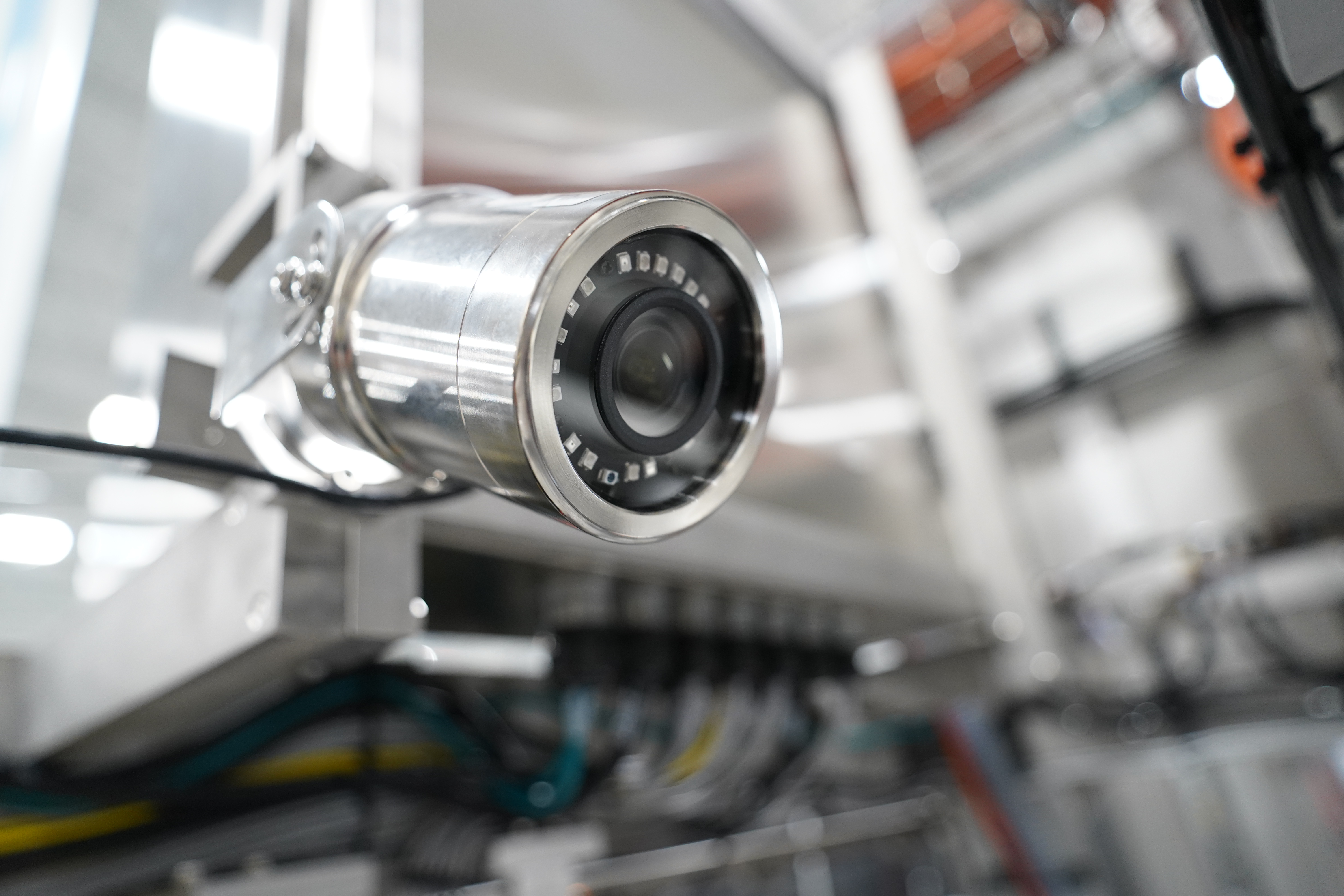
- Vision-guided pick-and-place
- High-mix production
By adapting to changing products and production conditions, robotic systems help manufacturers improve flexibility while maintaining efficiency.
Beyond Robotics: Autonomous Material Movement
While robots and cobots automate packaging tasks, AMRs and AGVs are transforming how products move throughout the production floor.
Instead of relying on forklifts or manual transportation, AMRs and AGVs automatically deliver products, materials, and finished goods between workstations, packaging equipment, and warehouse areas. This helps reduce non-value-added labor, improve traffic flow, and keep packaging lines supplied without interrupting production.
Benefits include:
- Automated product movement between operations
- Reduced forklift traffic and improved facility safety
- Continuous material flow to keep production running
- Greater flexibility as production layouts evolve
- Improved labor utilization for higher-value tasks
Aagard's Next Generation of Automation
Aagard has been an early adopter of integrating AMRs and AGVs into end-of-line packaging systems, expanding automation beyond the machine itself and into the movement of products throughout the facility.
By connecting packaging equipment with autonomous material handling, Aagard helps manufacturers create more seamless production environments where products move intelligently from one process to the next with minimal manual intervention.
As manufacturers continue building smarter factories, combining robotics, cobots, AMRs, and AGVs creates a more connected automation strategy that improves efficiency across the entire packaging operation.
How Aagard Uses Robotics and Cobots
Aagard integrates robotics where they create measurable value, whether that's improving throughput, increasing precision, or reducing repetitive labor.
Purpose-Built Integration
Rather than adding robots as standalone equipment, Aagard designs fully integrated systems where robotics, vision, and automation work together to improve overall packaging performance.
Built for Real Production
Aagard's robotic and cobot solutions are designed with:
- Compact footprints
- Safe operator interaction
- User-friendly controls
- Easy machine access
The goal is automation that's practical, reliable, and easy to operate.
Real-World Results
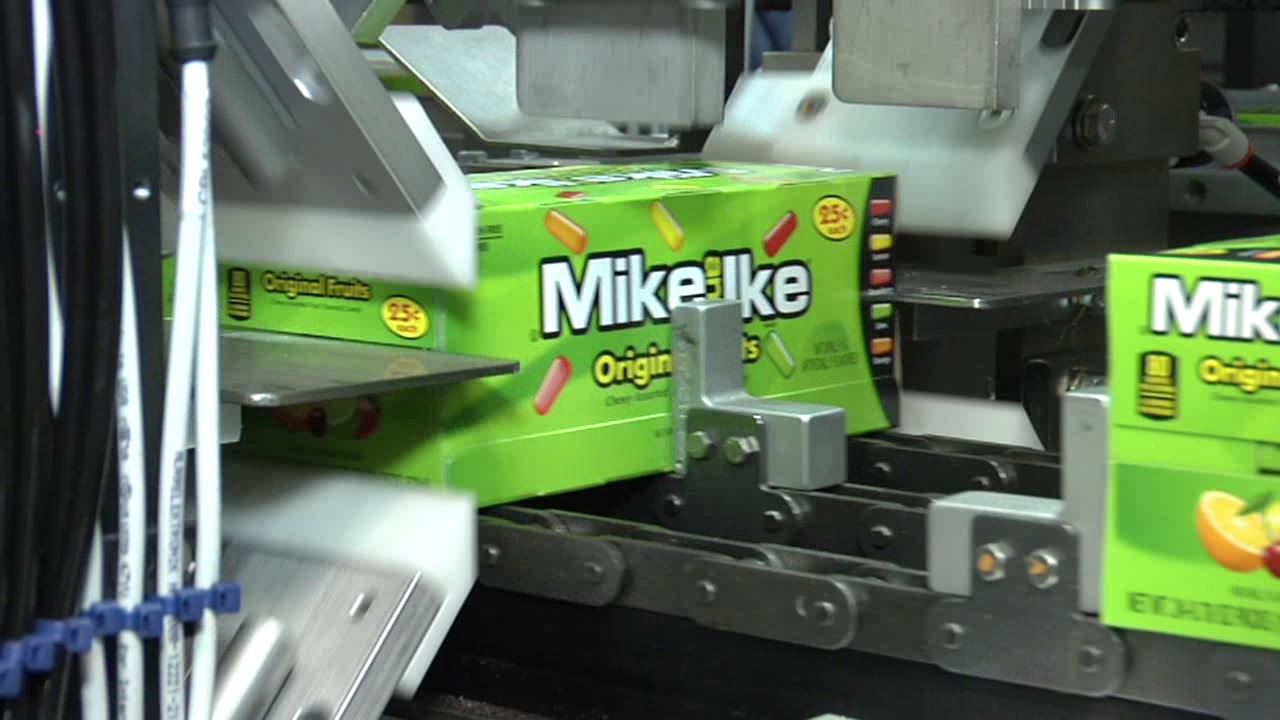
For one high-mix packaging application, Aagard combined robotics, vision systems, and intelligent buffering to create accurate variety packs at production speeds, solving a challenge that would have been difficult to manage manually.
Robotics Have Become a Practical Solution
Today's robotics are more flexible, easier to integrate, and more affordable than ever before.
As labor shortages continue and production demands increase, robotics and cobots are helping manufacturers improve efficiency while creating safer, more productive packaging operations.
FAQ
-
What are AMRs and AGVs?
Autonomous Mobile Robots (AMRs) and Automated Guided Vehicles (AGVs) automate the movement of products and materials throughout a manufacturing facility. While AGVs typically follow predefined routes, AMRs navigate dynamically around people and obstacles. Both help reduce manual transportation, improve safety, and keep packaging lines supplied for more efficient production.
-
Should I use robots in packaging?
Robots are ideal for repetitive, high-speed packaging tasks that require consistent performance. They help manufacturers improve throughput, reduce manual labor, and create safer production environments while supporting operators where they're needed most.
-
What are collaborative robots (cobots)?
Cobots are robotic systems designed to work safely alongside people. They're commonly used for tasks like case handling, product transfer, and light palletizing, making automation more accessible for facilities that need flexibility.
-
What is the difference between robots and cobots?
Traditional industrial robots are designed for high-speed, high-volume applications and typically operate within guarded work cells. Cobots are built for collaborative tasks, allowing them to work safely near operators while providing greater flexibility for changing production environments.
-
Can robots improve packaging speed?
Yes. Robotics help maintain consistent production speeds by reducing manual handling, improving placement accuracy, and minimizing interruptions caused by fatigue or staffing changes. The result is higher throughput and more predictable packaging performance.
-
When should I use robotic case packing?
Robotic case packing is an excellent solution when products vary in size or orientation, production speeds are increasing, or manufacturers need greater flexibility. Combined with vision systems, robotic case packers can adapt to changing products while maintaining accuracy and efficiency.