Yes. End-of-line automation helps eliminate bottlenecks that slow your packaging line.
For many manufacturers, that slow point is the end of the line, where manual case packing, sealing, labeling, or palletizing can't keep pace with production.
Automating these processes removes bottlenecks, improves throughput, and helps the entire packaging line operate more efficiently.

Why End-of-Line Automation Matters
Labor Challenges
End-of-line work is physically demanding and increasingly difficult to staff. Automation reduces repetitive lifting, pallet building, and heavy case handling, creating a safer workplace while improving consistency.
Faster Return on Investment
End-of-line automation often delivers a quick ROI by improving labor efficiency, increasing throughput, and reducing downtime.
Benefits include:
- Increased throughput
- More reliable shipment schedules
- Reduced injury risk
- Lower training requirements
- Greater operational consistency
Better Packaging Line Performance
A bottleneck at the end of the line affects every machine upstream. Keeping products moving helps reduce interruptions, improve efficiency, and maximize overall line performance.
More Consistent Results
Automation delivers repeatable performance with:
- Accurate case counts
- Uniform pack patterns
- Stable pallet loads
- Reduced product damage
- Improved shipment quality
The Advantage of Integrated Systems
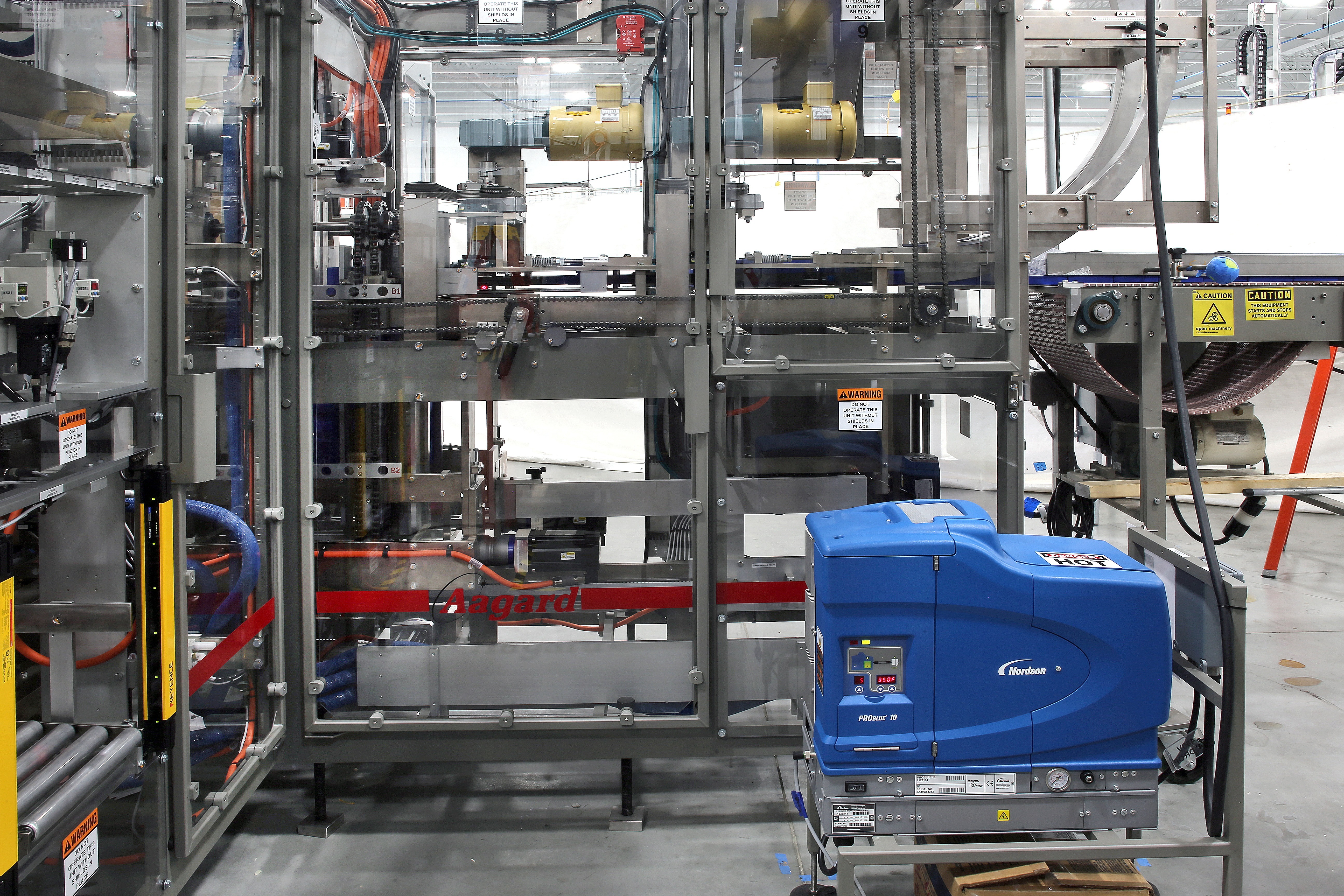
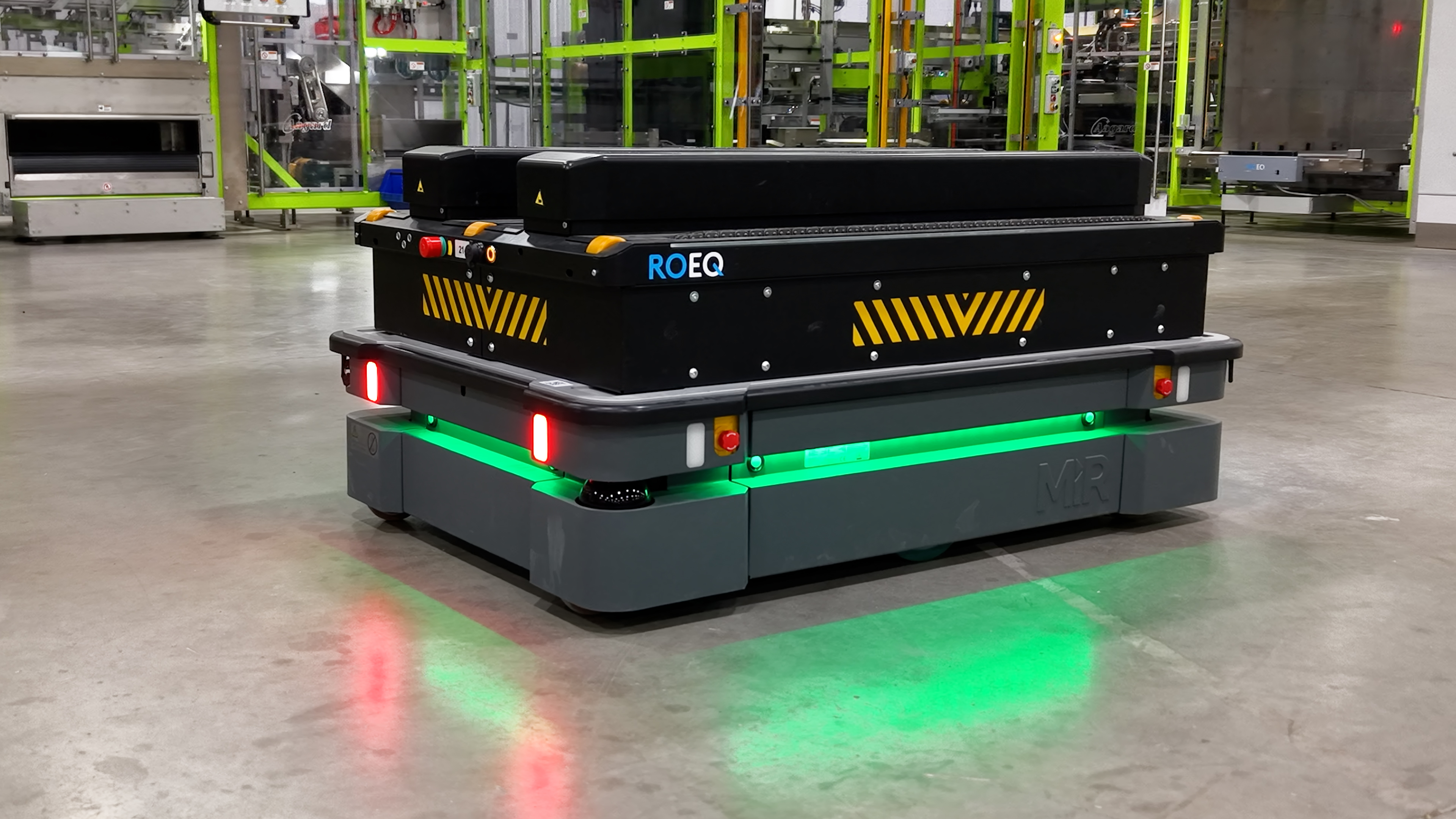
Many manufacturers are replacing standalone equipment with integrated systems that combine case packing, sealing, labeling, verification, and palletizing into one coordinated solution.
The result is simpler operation, fewer transfer points, and a more efficient production flow.
How Aagard Approaches End-of-Line Automation
Integrated, Space-Saving Solutions
Aagard designs all-in-one automation systems that simplify packaging lines while reducing floor space and operational complexity. Compact designs allow manufacturers to automate within existing facility constraints without major building modifications.
Built for Reliable Production
Aagard systems are engineered for long production runs with features such as:
- High-capacity ergonomic magazines
- Proven mechanical designs
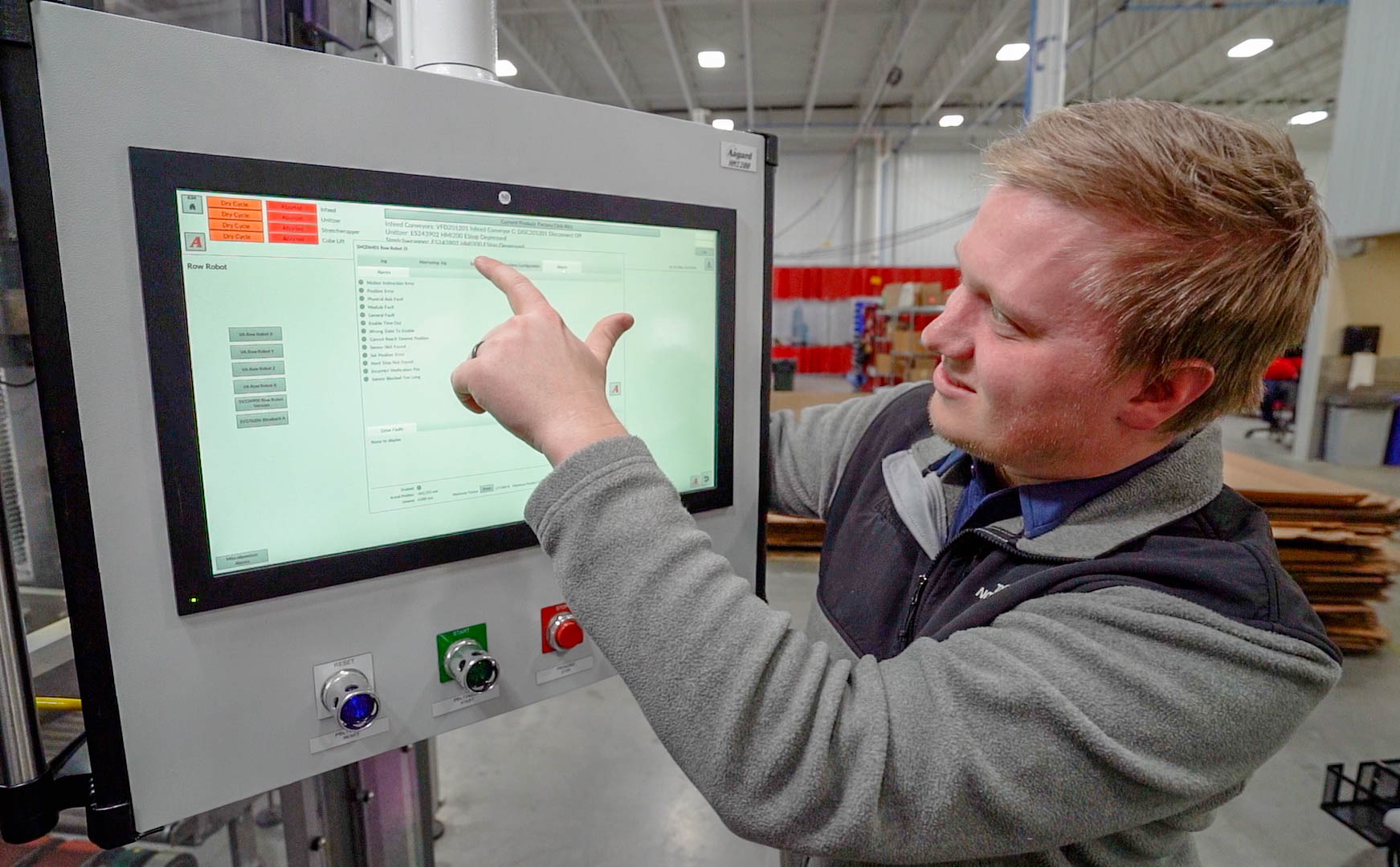
- Smart controls
- Fast recovery after interruptions
Real-World Results
When one manufacturer needed palletizing automation in a facility with strict height limitations, Aagard engineered a custom low-profile solution that fit the available space without structural modifications.
End-of-Line Automation Drives Growth
Removing end-of-line bottlenecks helps manufacturers:
- Increase throughput
- Add new SKUs with confidence
- Support higher production volumes
- Improve scheduling flexibility
- Respond faster to customer demand
Investing in the final stage of the packaging line helps unlock the full potential of the entire operation.
Frequently Asked Questions
-
Why is my end-of-line packaging slowing production?
End-of-line packaging is often where bottlenecks occur because manual case packing, palletizing, sealing, or labeling can't keep pace with upstream equipment. When products begin backing up at the end of the line, the entire packaging operation is affected. Automating downstream processes helps maintain a consistent flow, reduces interruptions, and allows the rest of the packaging line to operate at its full potential.
-
How do I eliminate packaging bottlenecks?
The first step is identifying where products begin to accumulate or where production repeatedly slows. In many facilities, the bottleneck is at the end of the line. Integrating automated case packing, labeling, and palletizing into a single coordinated system keeps products moving efficiently, reduces manual touchpoints, and improves overall line performance.
-
How can automation increase packaging throughput?
Packaging automation increases throughput by removing manual constraints that limit production speed. When end-of-line equipment can consistently match the pace of upstream processes, manufacturers experience fewer stops, smoother product flow, and greater overall output. The result is a packaging line that runs more efficiently without sacrificing quality or consistency.
-
How do manufacturers solve labor shortages?
Many manufacturers are using automation to reduce dependency on hard-to-fill, repetitive packaging roles. Rather than replacing employees, automation allows existing teams to focus on higher-value work while repetitive tasks like case packing and palletizing are handled automatically. This improves productivity, enhances workplace safety, and helps facilities maintain production despite ongoing labor challenges.
-
What is the ROI of packaging automation?
The return on investment for packaging automation extends beyond labor savings. Automating end-of-line operations can increase throughput, reduce downtime, improve shipment consistency, lower injury risk, and minimize product damage. When these improvements are combined, many manufacturers see a faster payback than expected while creating a more reliable and scalable packaging operation.