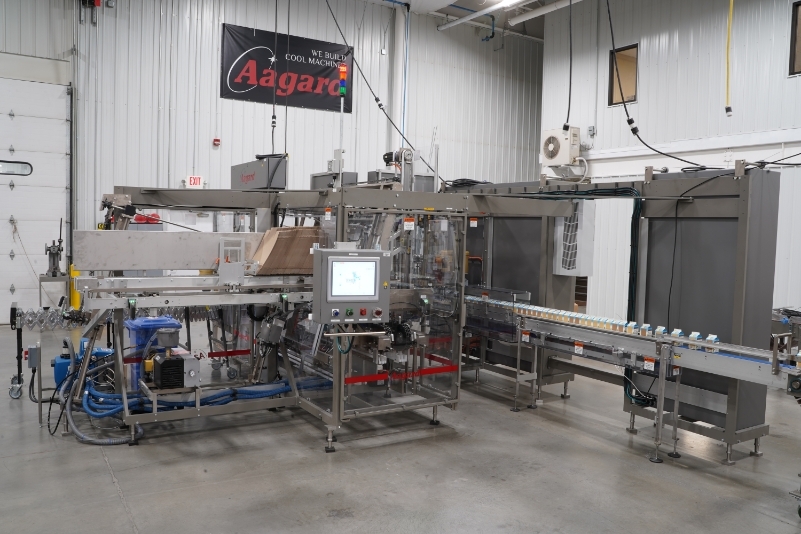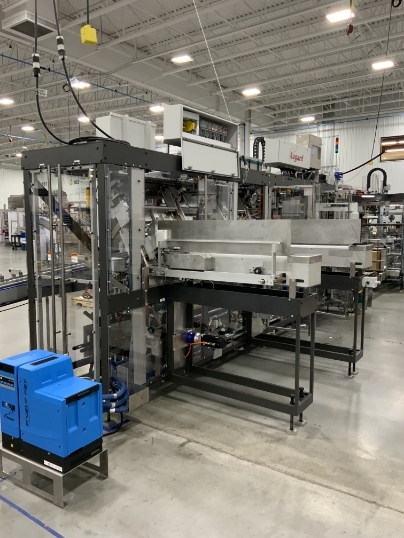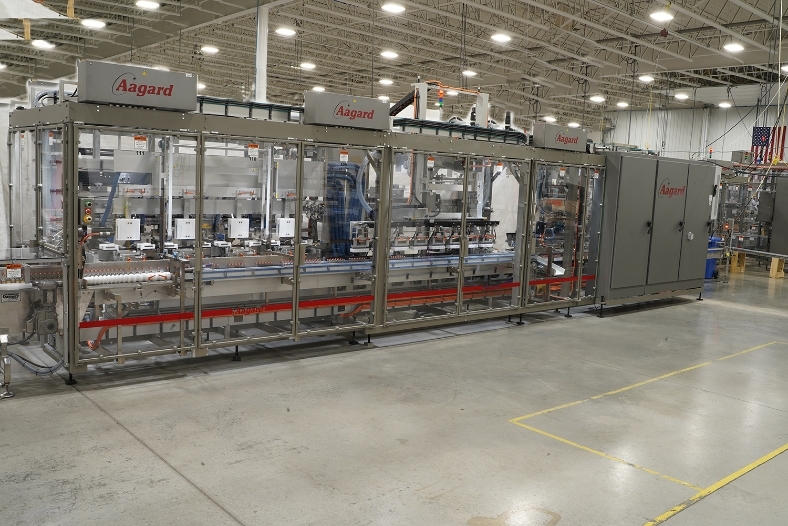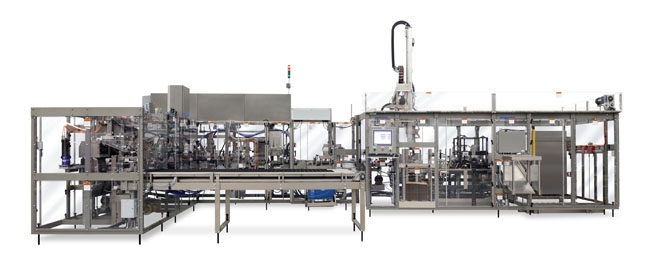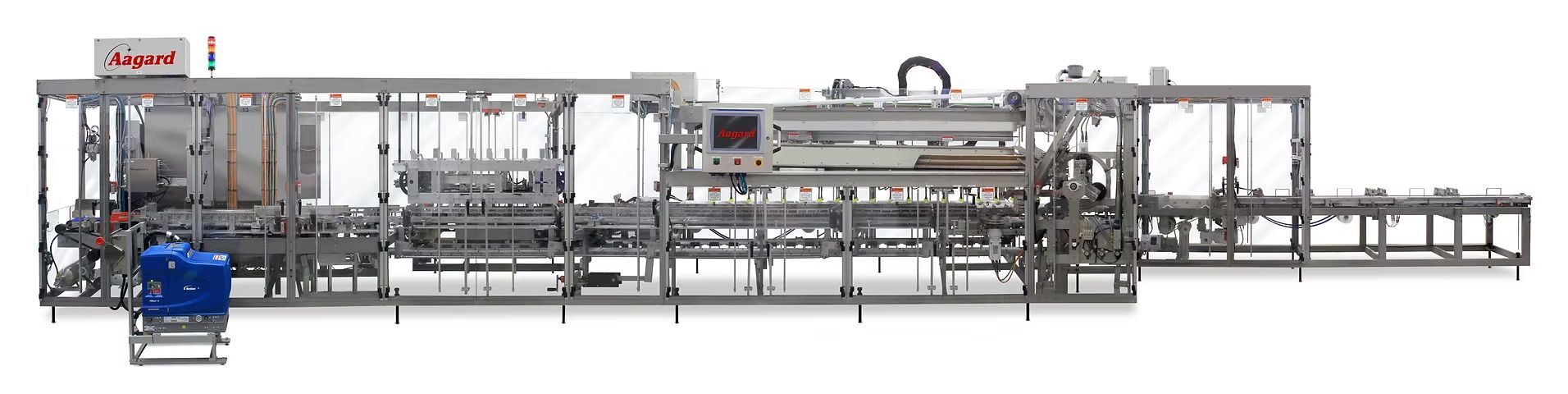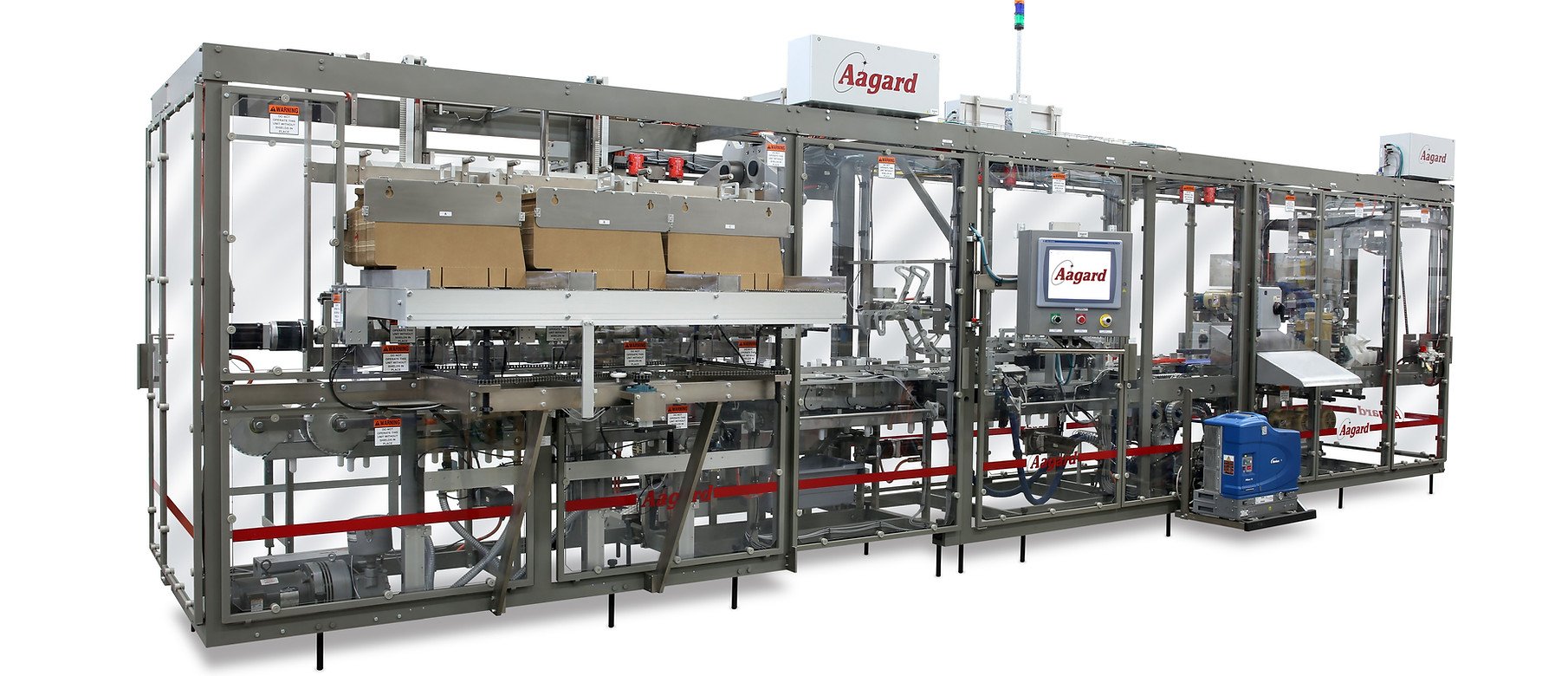

Custom Cartoner Machines

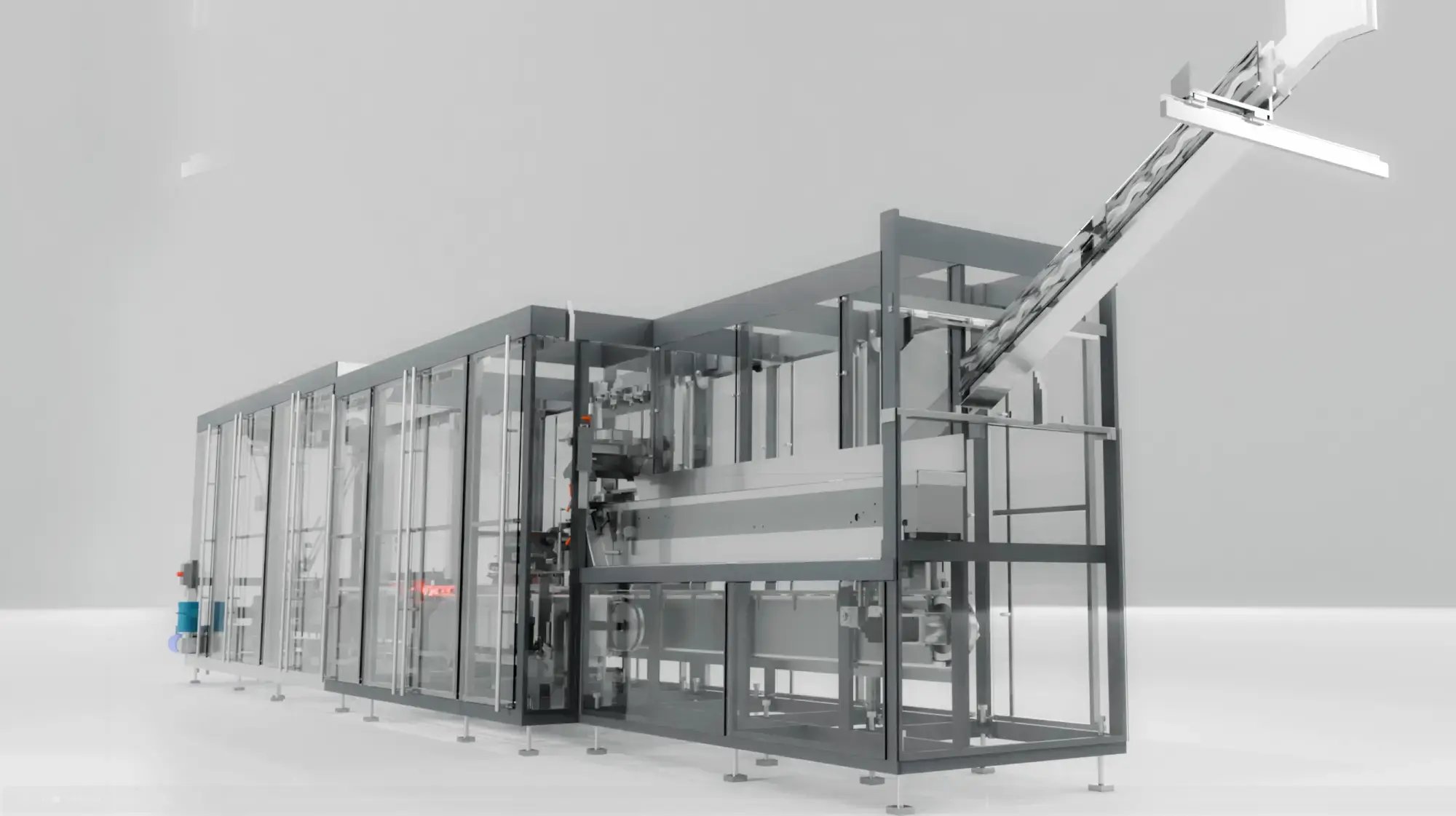
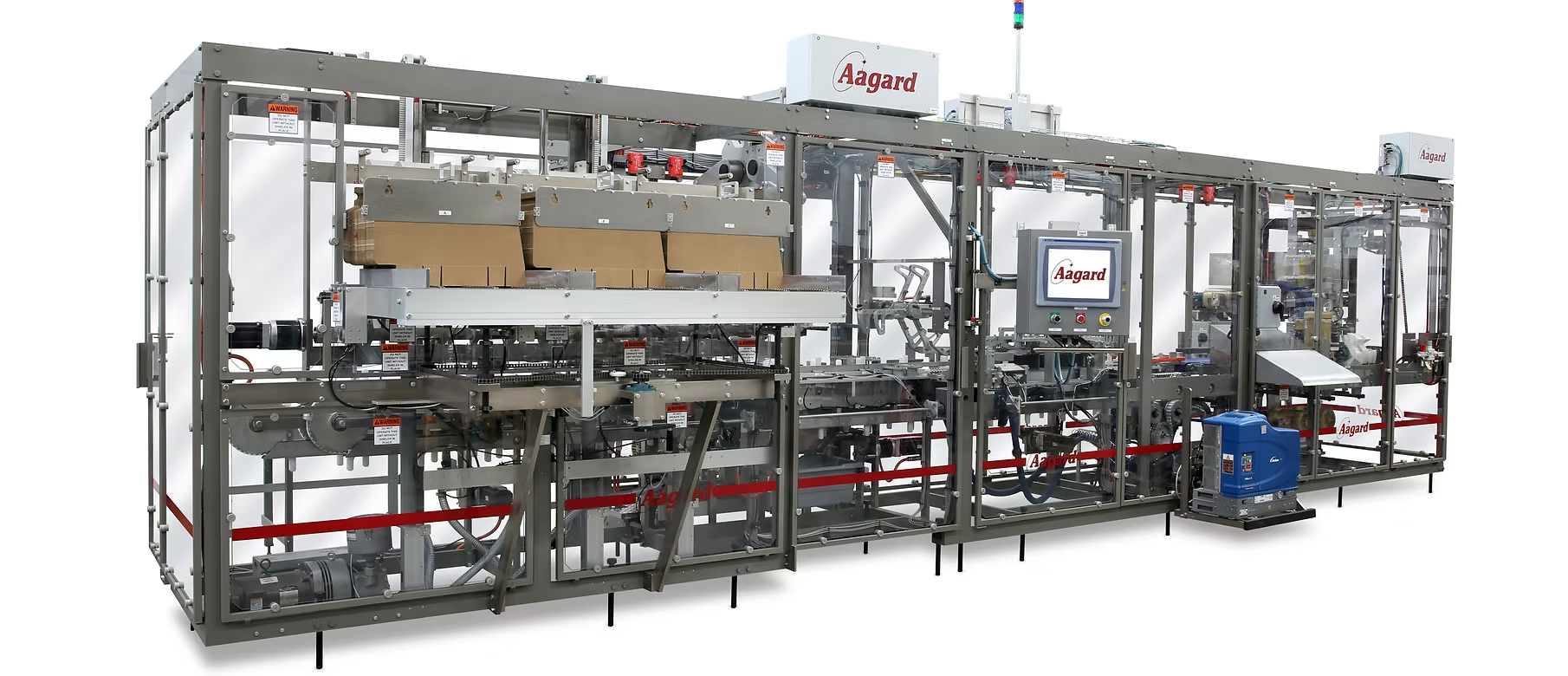
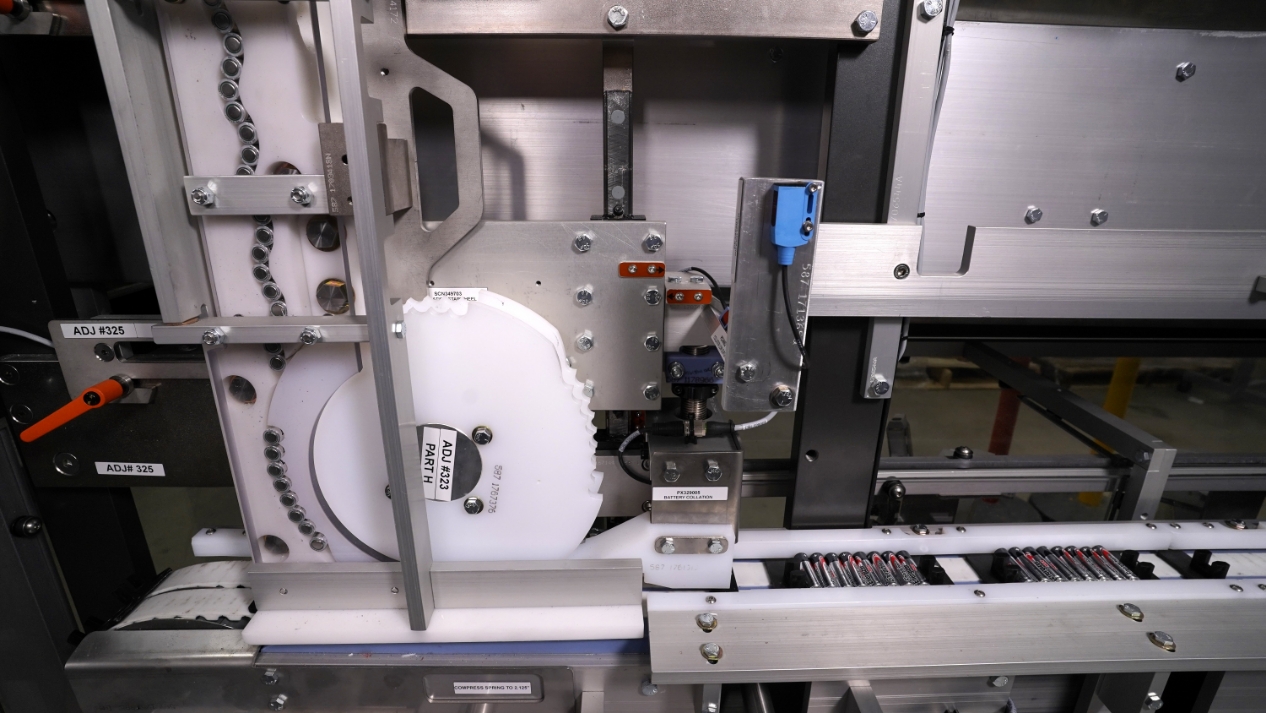
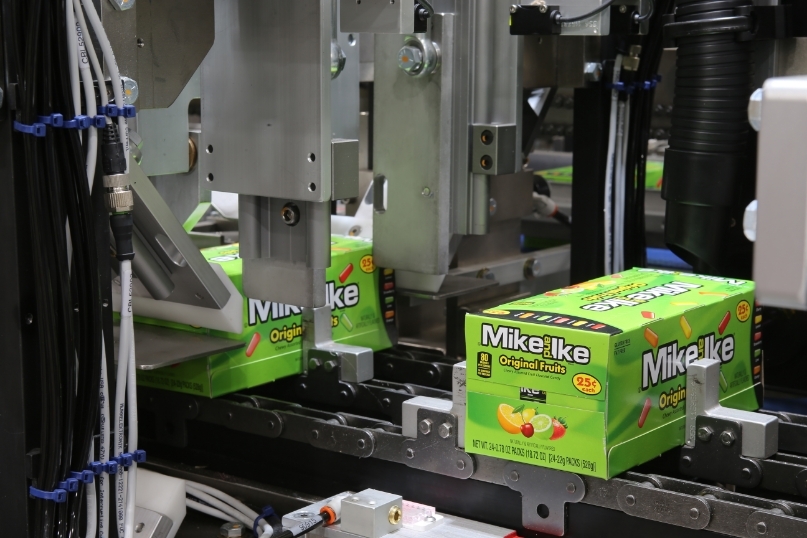
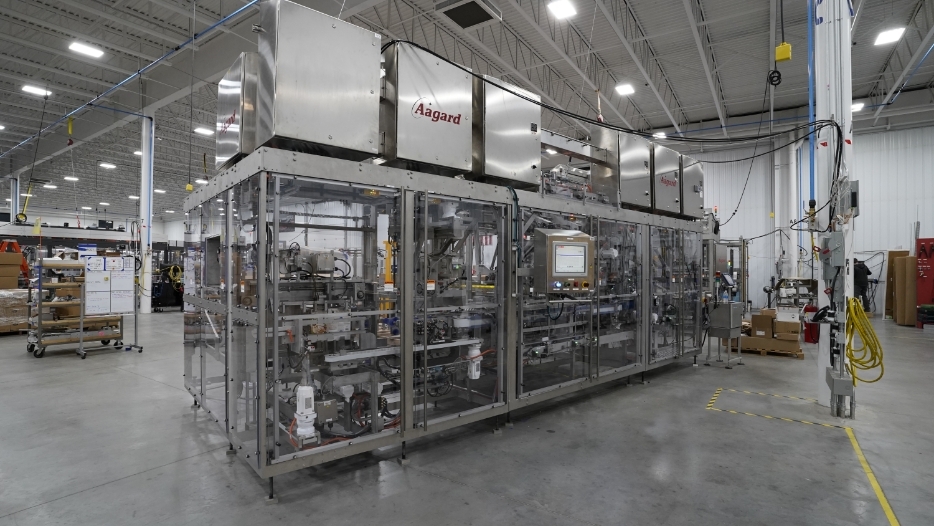
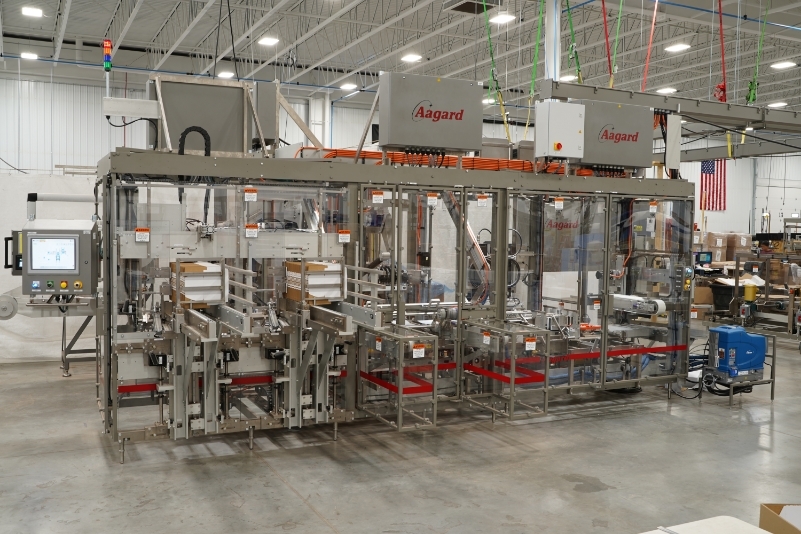
Aagard cartoners are designed and manufactured to your application requirements—engineered as purpose-built packaging automation solutions to help your line run the way it needs to. Each system is built around your product, carton style, and line goals, not pulled from a catalog.

Built for consumer packaged goods manufacturers in food and beverage, personal care, household products, and other consumer goods categories, Aagard cartoners solve the product handling and format challenges that standard machines can't. If your line requires automation that fits your real constraints—including space, changeover complexity, and integration with upstream and downstream equipment—that's exactly where Aagard's application-first engineering approach is designed to help.

Where Aagard Cartoners Are Used

Built for the Product Handling & Format Challenges Standard Cartoners Can't Solve

Most manufacturers don't come to Aagard because they need a cartoner. They come because they have a specific product handling, format, or integration challenge that a catalog machine couldn't solve.

The scenarios below represent the most common situations. If your line matches one of them, an Aagard system is likely worth a closer look.

Production Scenario Configuration Match

Currently hand-loading cartons and need to automate without disrupting upstream flow

Purpose-built cartoner engineered to your product, carton style, and infeed requirements

Product or pack configuration creates handling challenges that standard cartoners struggle with (orientation control, fragile packs, unstable collations, unusual shapes)

Application-specific product handling engineered around your real product behavior

Running multiple SKUs or carton sizes and need faster, more repeatable changeovers to keep mixed-format lines productive

RapidLaunch™ (Monitored or Automatic) with defined size matrix and change parts strategy

Floor space is tight and the cartoner must be engineered around the real layout, including maintenance access

Custom footprint design to your facility constraints

Cartoning needs to be part of a broader integrated end-of-line system (sleeving, case packing, palletizing) with one cohesive controls approach

Integrated packaging cell with unified controls architecture

Aagard is the right fit when a buyer requires purpose-built product handling, integration, or space-driven design.

Not Sure If a Cartoner Is Right for Your Line?

If you’re not sure whether a cartoner configuration will fit your product, line, or facility constraints, the Engineering Kickstart is the structured first step. It’s a collaborative, application-first evaluation where we review your requirements and use an iterative design process to define the right approach—so you can move forward with clarity before committing to a full build. 

Learn More
About Our Process

Configure Your Cartoner Around Your Line

Every Aagard cartoner starts with your application: your product, your carton style, your SKU matrix, and your operational goals. From that baseline, you select from a documented set of options organized around the outcomes that matter most to your team.

The options below represent our most commonly configured selections, not the full scope of what's possible. Our team is happy to discuss anything not listed here.

Carton Sealing & Closure

For lines where sealing method, closure reliability, and maintenance burden drive the specification.

Option What It Delivers

Adhesive (hot melt sealing configurations)

Nordson ProBlue Flex enables consistent hot melt carton sealing so your team can maintain reliable closure without manual glue handling. Adhesive systems from other manufacturers are available upon request.

Mechanical Closure (tuck/lock)

Engineered when the carton style or application does not require hot melt sealing

Changeover & Usability

For lines running multiple SKUs or carton formats, or where reducing downtime between runs is a priority.

Option What It Delivers

RapidLaunch™ (Monitored)

Enables guided, verified changeover setup points so your team can reduce variability between operators and start up more confidently after a recipe change

RapidLaunch™ (Automatic)

Enables automation of key changeover adjustments so your team can minimize manual setup steps on high-changeover lines

Training Videos (Changeover)

Enables repeatable changeover training so your team can onboard operators faster and reinforce best-practice setups

Change Parts / Additional Size Recipes

Extends the machine's format range to cover additional SKUs and carton sizes beyond the base included set

Change Parts Storage Carts / Racks

Organizes size-specific tooling so operators can locate and stage change parts efficiently during format transitions

Operator Interface & Controls

For engineering teams and plant leaders evaluating HMI placement, platform standards, and operator experience.

Option What It Delivers

Additional HMI

Enables an added operator interface location so your team can access recipes, status, and recovery steps where it's most useful on the line

FactoryTalk Optix HMI

Enables alignment to preferred HMI software platform or panel hardware so your team can support plant standards and usability requirements when specified

Additional Remote Operator Boxes / Stack Lights

Adds line-of-sight safety reset and start locations for larger or multi-sided systems

Periodic Maintenance Counters (HMI)

Tracks PM intervals on the HMI so operators and maintenance teams are prompted at the right time, reducing missed service intervals

Compliance & Food Safety

For facilities with specific regulatory, plant, retailer, or food safety compliance requirements.

Common Options What It Delivers

Metal Detectable Wire Ties

Reduces contamination risk in food-grade environments

Food Grade Lubricant

Meets food-safe lubrication requirements for applicable contact points

UL Electrical Panels

Provides UL-labeled control panels to support compliance and plant standards in the U.S. and Canada

Circuit Breaker Upgrade

Available when application or plant electrical standards require it

Busch Vacuum Pump

Included when the cartoner design uses vacuum for carton setup, pick, or product handling

Diagnostics, Integration, & Visibility

For engineering teams evaluating how the cartoner connects to the rest of the line and to Aagard's service team.

Option What It Delivers

LED Diagnostic Lighting

Improves visibility at key access points and helps teams troubleshoot faster when a fault occurs

Forensics Camera System

Enables visibility into intermittent faults or product and carton events so your team can troubleshoot faster and reduce recurring downtime

EtherNet/IP Module / Standard Network Architecture

Enables cleaner connectivity for line control and plant networking so your team can integrate upstream and downstream equipment more consistently when required

Remote Support 

Enables secure remote diagnostics so your team can troubleshoot with Aagard support without waiting for an on-site visit

Case Printing Integration

Integrates customer-specified print systems into Aagard controls and diagnostics for in-line carton printing
Case Labeling Integration
Integrates customer-specified labeling systems into the machine controls for in-line labeling
aagard-knock-down-cartoner

What Every Aagard Cartoner Includes as Standard

Engineering & Safety Standards Built Into Every Machine

Before you select a single option, every Aagard cartoner ships with a documented baseline of engineering, safety, and controls standards. The foundation is consistent and proven. The configuration builds on top of it.

Every Aagard cartoner ships fully tested before leaving the facility. Controls, safety circuits, and key machine functions are verified prior to shipment. When materials are available and the project scope includes it, a full run-off with customer product and materials is completed.
Standard What It Means for Your Line

Category 3 Safety Architecture

Built with Category 3 safety architecture, including interlocked guard doors (with locking where required), E-stops, controlled stop sequences, and clear safety status and diagnostics on the HMI

Pilz Guard Switch

Mechanical locking and release - High safety / clear lock state

NEMA 12 Rated Electrical Panels

Control panels rated for industrial environments; enclosure rating and construction level are specified per customer environment and standards

UL-Certified Electrical Components

Electrical components are UL-certified as standard; UL-labeled panels available when required by customer spec

Rockwell Automation Controls Platform

Controls architecture built on a documented, serviceable platform with broad parts availability

Single Unified Controls Architecture

Upstream and downstream equipment can be integrated under one control system, reducing handshakes and simplifying troubleshooting

HMI-Embedded Documentation

Maintenance guides, changeover instructions, and reference materials accessible at the machine

Documented Machine Standards

Every build references Aagard's documented standards, so your engineering team knows what they're getting before the project starts

Cartoner-Specific Project Considerations

Cartoner projects often involve factors that shape timeline and scope more than other machine types. Flagging these early reduces risk and keeps projects on schedule.

  • Carton and product coordination: Carton samples, specs, and product samples often drive early feasibility decisions and iteration timing
  • Product handling validation: Orientation control, collation stability, and gentle handling can require more up-front testing and iteration
  • Format range definition: Defining the SKU and carton-size matrix early impacts change parts, recipes, and changeover scope
  • Integration dependencies: Cartoners frequently sit between upstream accumulation and downstream case packing, printing, and labeling, so interface requirements can affect controls scope and schedule

How a Custom Cartoner Project Works at Aagard

One of the most common hesitations on a custom machine project isn't the machine itself. It's not knowing what happens after you fill out a form. Here's the full path from first conversation to a commissioned system running on your floor.

  1. Application Discussion

    Every project starts with a conversation about your application: what you're running, your line rate, your footprint, and your goals. This is an engineering intake, not a sales call.

  2. Engineering Kickstart

    Engineering Kickstart is the standard entry point for all Aagard projects. It's a structured, application-first evaluation where you work directly with Aagard engineers to define requirements, explore concepts, and align on the right configuration before committing to a full build, in order to reduce risk up front.

  3. System Design & Build

    Once requirements are defined and scope is locked, Aagard engineers design and build your system. This phase includes controls architecture, mechanical design, integration planning, and documentation. Your engineering team has visibility into the process and clear handoff points.

  4. Factory Acceptance Test (FAT)

    Every system goes through standard pre-shipment testing before it leaves Alexandria, MN. For projects where scope and preference support it, an expanded FAT demonstration package is available so your team can witness performance firsthand before the machine ships.

  5. Installation & Commissioning

    Aagard technicians handle installation and commissioning at your facility. Installation and commissioning estimates, along with shipping estimates, are provided with your quote. Timelines depend on system complexity and site readiness.

  6. On-Site Training

    Operator and maintenance training is included as part of the commissioning package. Additional training is available as your team grows or shifts change.

  7. Ongoing Support via Aagard Assurance™

    After go-live, your line is supported through Aagard Assurance™: a dedicated account contact, a spare parts list for your specific configuration, and 24/7 remote service availability via TeamViewer. 

268 WA Cartoner and Bundler

Why Teams Choose Aagard

Purpose-built for your line, not pulled from a catalog. Here's what that means in practice:

Eliminates manual cartoning labor and stabilizes output as you automate end-of-line packaging
Solves product handling and format challenges that off-the-shelf equipment can't handle reliably, including orientation control, fragile packs, unstable collations, and unusual shapes
Engineered around your real constraints: space, maintenance access, and line layout, not a brochure footprint
Faster, more repeatable changeovers using RapidLaunch™ monitored or automatic options with defined setup points and verification
Operator-first usability with RapidLearning™ HMI-embedded training and troubleshooting tools that reduce reliance on tribal knowledge and help teams onboard faster
Defined path from requirements through commissioning with documented standards, FAT, and clear handoff points at every stage
Clean integration with upstream infeed and downstream case packing, printing, and labeling under one unified controls architecture
Documented build standards and controls documentation that make long-term service and future format additions predictable
Aagard Assurance after go-live: dedicated account contact, proactive check-ins, 24/7 remote support, and spare and change parts support as your line evolves

Cartoner FAQs

Does Aagard make fully custom cartoners, or are they based on standard configurations?

Aagard builds purpose-built cartoners engineered to your product, carton style, and line layout. We use a documented set of standards and configurable options to keep projects consistent and supportable, while still tailoring product handling, changeover strategy, and integration to your application.

How do I evaluate a cartoner without published specifications?

In practice, you evaluate fit through application requirements: product, carton, speeds, SKU mix, footprint, and upstream and downstream interfaces. If you're early in the process or the fit is uncertain, Engineering Kickstart is the structured way to validate approach, reduce risk, and define the right configuration before you commit to a full build.

Can the cartoner handle multiple carton formats or SKUs?

Yes, with scope defined up front. Aagard cartoners are designed around your SKU and carton-size matrix and changeover needs, and can be configured with manual, monitored, or automatic changeover features—including Rapid Launch™ options—depending on how frequently you change formats and how much downtime you can tolerate.

Can the cartoner integrate with upstream and downstream equipment?

Yes. Integration is typically part of the baseline engineering scope. We design cartoners to interface cleanly with upstream infeed and accumulation and downstream equipment such as conveyors, case packing, printing, and labeling, using defined line-control and communication requirements. The final interface is driven by your product flow, layout, and plant standards, and is aligned during the design phase and validated during testing when included in scope.

What glue system does an Aagard cartoner use?

Aagard commonly specifies the Nordson ProBlue Flex hot melt system with Autofill when the cartoner is configured for hot melt sealing. If your carton closure method is mechanical (tuck/lock or other non-glue closure), a glue system may not be applicable. The final glue configuration—including tank, hoses, guns, and any washdown requirements—is selected based on the application and environment.

What safety standards does an Aagard cartoner meet?

Aagard cartoners are built with a documented safety architecture designed to meet applicable safety requirements based on the project and installation location. Standard safety features typically include interlocked guard doors with locking where required, E-stops, controlled stop sequences, and clear safety status and diagnostics on the HMI. Electrical enclosure rating and UL electrical panel requirements are specified and quoted per customer and market needs.

What support is available after the machine is commissioned?

After commissioning, support typically includes remote troubleshooting and diagnostics, access to machine documentation including the on-machine manual and supporting drawings and BOM information, and ongoing service help as needed. For many customers, this is formalized through Aagard Assurance (lifetime proactive support), along with RapidLearning™ training enablement and scoped on-site training, plus spare parts and change parts support as formats evolve.

How do I know whether I need an end-load vs. top-load cartoner?

The right approach depends on your product geometry, required orientation, and how the product arrives at the cartoner, whether single file, collated groups, or accumulated. During the application review, Aagard will evaluate product handling, carton style, throughput goals, and footprint constraints to recommend the best loading method.

What information do you need to quote a cartoner?

At minimum, we'll ask for product and carton details (samples and specs), target throughput range, and your SKU and carton-size matrix. We'll also review your line layout, site constraints, and upstream and downstream integration needs to align on an engineered concept and scope.

What carton closure options are available, and how do I choose the right one?

Closure method is selected based on your carton style, product characteristics, and what the carton must withstand in shipping and handling. Aagard will review your carton spec and downstream requirements to recommend hot melt sealing or a mechanical closure such as tuck/lock, along with any related options.

What does changeover look like day-to-day, and how do RapidLaunch™ options help?

Changeover typically includes switching size-specific parts where required, selecting the correct recipe on the HMI, and completing defined verification steps at key setup points. The right approach depends on your SKU mix and downtime tolerance, and can be configured as manual, monitored, or automatic, including RapidLaunch™ options.

Can you support future formats and SKUs after the machine is installed?

Yes. Many teams plan for future formats, and Aagard can scope a cartoner to be expandable where it makes sense. Some updates require new change parts and recipes, while others may require changes to product handling, carton management, or line interfaces depending on what's different about the new format.

What are typical facility and utility requirements?

Utility needs vary by configuration, but most projects consider electrical power, compressed air, and plant network connectivity when required, plus hot melt utilities only if hot melt sealing is specified. Enclosure rating and construction level, including dry, wipe, or wash and NEMA requirements, are driven by your environment, sanitation expectations, and customer standards.

How do you validate cartoner performance before shipment?

Cartoners go through in-house verification and functional testing prior to shipment, covering controls, safety, mechanical functions, and configured features. FAT scope is standard and defined up front, aligned to acceptance criteria such as stable operation at target conditions, changeover demonstration where applicable, and recovery from common disturbances.

What's included in documentation and training?

Deliverables are scoped by project but typically include machine documentation and training for operators and maintenance. Training is commonly delivered during commissioning and can be supplemented with embedded or recorded resources such as RapidLearning™ content depending on the configuration.

Tell Us About Your Line

We'll Tell You How We'd Build for It

Do you have a specific situation at the end of your line that off-the-shelf equipment hasn't handled well?

Tell us about it. Aagard will follow up to schedule a short application discussion to understand your product, speed, layout, and goals. From there, we'll recommend the best-fit configuration and next steps.

Custom scope. Documented standards. Proven implementation. Built in Alexandria, MN.